Pharmacy Technician

Dermatological Compounding Course | September 18–19, 2026

2025-12-16T08:34:37-06:00December 16th, 2025|Categories: Continuing Education, compounding, compounding training, Dermatological Compounding, Dermatology, Patient Safety, Pharmacist Training, Pharmacy Practice, Pharmacy Technician, Topical Preparations|Tags: , , , , , , , |

Dermatological Compounding is a live, practice-focused training course designed for pharmacists, pharmacy technicians, and pharmacy professionals involved in the preparation of customized topical therapies. This program provides an in-depth review of skin pathophysiology, dermatologic disease states, topical dosage forms, and formulation strategies to support patient-specific treatment.

Participants will examine common dermatological conditions, including eczema, dermatitis, psoriasis, and inflammatory skin disorders, with discussion of disease mechanisms and therapeutic goals. Instruction emphasizes selecting appropriate dosage forms and bases based on skin type, lesion characteristics, and patient preference.

The course explores topical drug therapy options, including corticosteroids, calcineurin inhibitors, keratolytics, emollients, anesthetics, and combination formulations. Attendees will review drug stability, penetration, potency considerations, and excipient selection to optimize safety and effectiveness.

A dedicated component addresses compounded topical pain management, including evaluation of pain types, pharmacologic targets, and formulation strategies that support localized therapy while minimizing systemic exposure.

This program blends clinical knowledge and practical application, equipping participants with the skills and confidence to compound dermatologic preparations that meet individual patient needs while maintaining quality and safety standards.
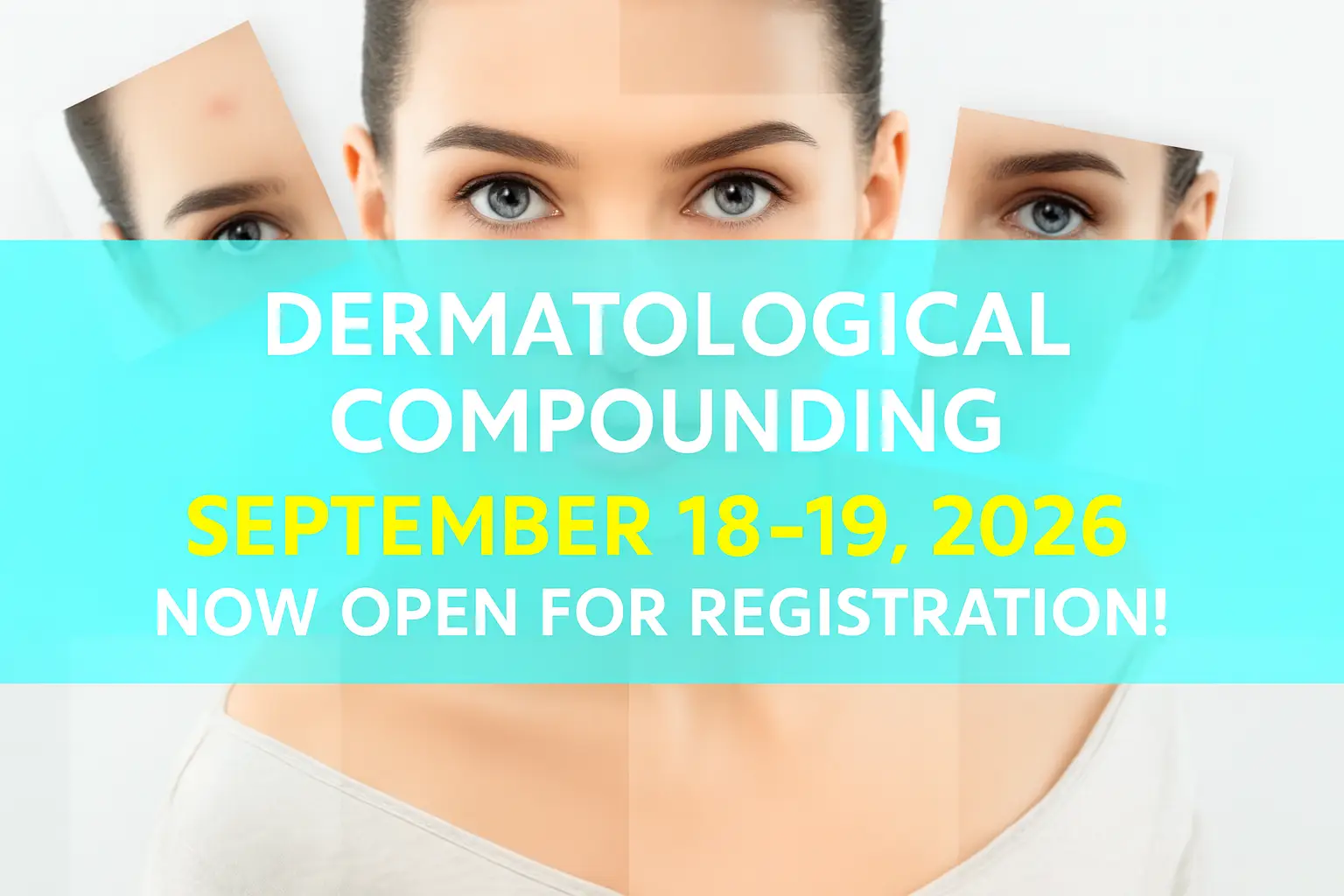
Strengthen your dermatological compounding skills with this live, hands-on course focused on customized topical therapies and patient-centered care.

What attendees said:

  • “The course was highly informative and provided a rich set of materials and resources that support pharmacists looking to elevate their compounding practice.”
  • “The content was practical and easy to apply, with clear explanations that strengthened my confidence in dermatological compounding.”
  • “The depth of information and real-world examples made this course both engaging and highly beneficial.”
Loading...

The American College of Apothecaries (ACA) is accredited by the Accreditation Council for Pharmacy Education as a provider of continuing pharmacy education. ACA has accredited this knowledge/application-based program for 15 contact hours (1.5 CEUs) of continuing education credit for pharmacists and pharmacy technicians.
Veterinary Compounding Essentials Course | August 14–15, 2026

2025-12-15T16:26:52-06:00December 15th, 2025|Categories: Continuing Education, Compliance, compounding, compounding training, Patient Safety, Pharmaceutical Training, Pharmacist Training, Pharmacy Practice, Pharmacy Technician, Regulatory Issues, Veterinary Compounding, Veterinary Medicine, Veterinary Toxicology|Tags: , , , , , , , |

Veterinary Compounding Essentials is a live, comprehensive training course designed for pharmacists, pharmacy technicians, and pharmacy professionals who compound medications for animal patients or are interested in expanding into veterinary compounding practice. This program provides a practical foundation in veterinary pharmacotherapy, regulatory requirements, compounding techniques, and patient safety considerations unique to non-human species.

Participants will explore the regulatory framework and professional standards that impact veterinary compounding, including prescription requirements, verification processes, and the veterinarian-client-patient relationship (VCPR). The course addresses differences among companion animals, performance animals, and food-producing animals, emphasizing how regulations and drug use vary by species and intended use.

Instruction includes veterinary drug information resources, toxicology considerations, and species-specific risks associated with drugs, excipients, flavors, and preservatives. Attendees will review common veterinary dosage forms, administration devices, and formulation considerations to support safe and effective compounding.

The program also covers calculations, hands-on compounding principles, and strategies for developing and growing a veterinary compounding practice, including communication with veterinarians and practice marketing considerations.

This course blends knowledge-based and application-based learning, offering attendees practical tools and confidence to support veterinary patients while maintaining compliance and safety.

Expand your skills in veterinary compounding and enhance patient care for animal patients with this live, comprehensive training course.

What attendees said:

  • “It was a very informative course and small class made it easy for one on one question with the instructor. The lab experience was great as we were able to make multiple formulas and learned new techniques to incorporate in compounding practice at my store. I had chance to meet other pharmacist who have similar vision as mine and shared ideas with each other to excel in business. Lunch was great on both days.”
  • “The Veterinary Compounding Essentials course provided an excellent overview of the key requirements for compounding medications for animals. The instructor was highly knowledgeable and tailored the content to meet our individual needs. The hands-on lab experience, combined with expert supervision, gave me the confidence to perform compounding independently.”
  • “This course was so fun and I enjoyed learning about everything vet pharmacy related. This course was the best decision I made to help further my compounding knowledge post graduation!”
Loading...

The American College of Apothecaries (ACA) is accredited by the Accreditation Council for Pharmacy Education as a provider of continuing pharmacy education. ACA has accredited this knowledge/application-based program for 15 contact hours (1.5 CEUs) of continuing education credit for pharmacists and pharmacy technicians.
Sterile Compounding Certificate Program | June 18–20, 2026

2025-12-15T16:08:04-06:00December 15th, 2025|Categories: Certificate Program, Compliance, compounding, compounding training, Continuing Education, Documentation, Hazardous drug handling, Pharmaceutical Training, Pharmacist Training, Pharmacy Law, Pharmacy Technician, Quality Assurance, Regulatory Issues, Sterile Compounding, USP 797, USP 800|Tags: , , , , , , |

The Comprehensive Sterile Compounding Certificate Program is a live, in-depth training program designed for pharmacists and pharmacy technicians involved in sterile compounding. This certificate-based course provides a structured, practice-focused review of sterile compounding standards, regulatory requirements, documentation, training, and quality systems to support safe and compliant operations.

Participants will examine the legal and regulatory framework governing sterile compounding, including applicable FDA guidance and key USP standards such as USP <797> and USP <800>. Emphasis is placed on understanding how these requirements translate into daily practice and inspection readiness.

The program includes detailed instruction on documentation, quality assurance and quality control programs, policies and procedures (SOPs), and personnel training and competency requirements. Attendees will review expectations for facility design, environmental monitoring, equipment, and workflow as they relate to sterile compounding compliance.

A focused module on hazardous drug handling addresses facility requirements, engineering controls, PPE, personnel training, and assessment of risk, with alignment to current safety and regulatory expectations.

This certificate program combines didactic instruction and application-based learning, offering attendees the opportunity to strengthen their sterile compounding knowledge while reinforcing compliance, safety, and best practices.

Advance your sterile compounding knowledge and compliance skills with this comprehensive, certificate-based training program for pharmacists and pharmacy technicians. Registration is below.
What attendees said:

  • “This class was super helpful in increasing my knowledge and technique in the lab. I highly recommend it.”
  • “It’s a great class! Anyone want to get into sterile or the ones already doing it, should really consider taking this class.”
  • “With nearly 20 years of sterile compounding practice and exposure, this course reinforced my knowledge and skills in this area. I am more confident after this course.”
Loading...

Fundamental Compounding with Pharmacy Law | March 19–21, 2026

2025-12-15T15:58:45-06:00December 15th, 2025|Categories: Continuing Education, Compliance, compounding, compounding training, Hazardous drug handling, Pharmaceutical Training, Pharmacist Training, Pharmacy Law, Pharmacy Practice, Pharmacy Technician, Regulatory Issues, USP 795, USP 800|Tags: , , , , , , |

Fundamental Compounding with Pharmacy Law is a live, multi-day compounding course designed for pharmacists, pharmacy technicians, and pharmacy professionals seeking a strong foundation in both compounding practices and regulatory compliance. This course integrates compounding principles with pharmacy law to support safe, compliant, and high-quality compounding operations.

Participants will review the regulatory framework governing pharmacy compounding, including applicable federal and state considerations and key United States Pharmacopeia (USP) standards. Emphasis is placed on documentation, quality assurance, policies and procedures, and compliance requirements essential to day-to-day compounding practice.

The course includes instruction and hands-on training in common nonsterile dosage forms, such as capsules, molded dosage forms, and topical preparations. Participants will learn proper techniques, equipment use, quality control measures, and best practices to support consistency and patient safety.

A dedicated session on hazardous drug handling addresses requirements for facilities, engineering controls, PPE, and personnel training, with alignment to applicable USP standards and safety expectations.

This program combines didactic instruction and application-based learning to reinforce compounding knowledge, regulatory awareness, and practical skills in a structured, in-person environment.

Build a strong foundation in compounding and pharmacy law with this comprehensive, live training designed for pharmacists, pharmacy technicians, and pharmacy professionals. Registration is below.

What attendees said:

  • “The ACA Fundamentals of Compounding Course was one of the best decisions I’ve made for my pharmacy. The small, hands-on setting, focus on USP 795/800, and opportunity to network with both new and experienced compounders made it invaluable. Highly recommend!”
  • “The instructor effectively highlighted important topics and used real-world examples to support learning. The small class size made it easy to ask questions and have open discussions.”
  • “The class was great. The networking with other pharmacists from different areas was great. I was immediately able to take the knowledge learned and apply it in my store.”
Loading...

The American College of Apothecaries (ACA) is accredited by the Accreditation Council for Pharmacy Education as a provider of continuing pharmacy education. ACA has accredited this application/certificate-based program for 21 contact hours (2.1 CEUs) of continuing education credit for pharmacists and pharmacy technicians.
Nonsterile Compounding Home Study | 11-Hour PTCB-Recognized CE

2025-12-15T12:49:15-06:00August 20th, 2025|Categories: Continuing Education, Community Pharmacy, Compliance, compounding, compounding training, DEA, FDA, Hazardous drug handling, Home Study, Medication Safety, Patient Care, Patient Safety, Pharmaceutical Training, Pharmacist Training, Pharmacy Law, Pharmacy Practice, Pharmacy Technician, Policies & Procedures, Professional Development, Professional Growth, Regulatory Issues, SOPs, USP 795|Tags: , , , , , |

This knowledge-based, enduring home study is designed for compounding pharmacists and pharmacy technicians seeking a comprehensive foundation in nonsterile compounding practices. The program provides a broad overview of nonsterile compounding, with a strong focus on regulatory compliance, standards, dosage forms, and pharmaceutical calculations essential to safe and effective compounding.

Participants will review the regulatory landscape governing nonsterile compounding, including applicable federal and state considerations and key United States Pharmacopeia (USP) standards, with emphasis on USP <795>. The program also addresses the roles and responsibilities of compounding personnel, facility and equipment requirements, documentation, quality assurance, and patient safety considerations.

The curriculum includes in-depth discussions of the most common nonsterile dosage forms prepared by compounders, such as solutions, suspensions, topical preparations, capsules, suppositories, transdermal preparations, and tablet triturates. Each section explores formulation principles, preparation techniques, and quality control measures relevant to practice.

A dedicated pharmaceutical calculations module provides detailed explanations and practical examples to help learners develop proficiency in calculations commonly used in compounding. This module serves as a guide to reinforce accuracy, consistency, and confidence in compounding calculations.

This 11-hour knowledge-based home study is a PTCB-Recognized Education/Training Program, ensuring a quality and standardized learning experience for pharmacy technicians. The program is offered in a self-paced, text-based format and does not include a video component, allowing learners to complete the material on their own schedule.

Build a strong foundation in nonsterile compounding and strengthen your skills in compliance, dosage forms, and pharmaceutical calculations—registration is below.

What participants said:

  • “Covered all of the material in an effective manner.”
  • “Several topics were covered in detail.”
  • “I could complete the program at my own pace, which allowed me to take the time needed to fully process and understand the material.”

Note: It is not necessary to create a Lecture Panda account to register for this home study.

The American College of Apothecaries (ACA) is accredited by the Accreditation Council for Pharmacy Education as a provider of continuing pharmacy education. ACA has accredited this knowledge-based program for 11 contact hours (1.1 CEUs) of continuing education credit for pharmacists and pharmacy technicians.
Men and COVID Severity—New Research That Links Them. What Are the Implications?

2025-11-01T02:55:50-05:00September 27th, 2022|Categories: Pharmacist Training, COVID-19, Pharmacy Technician, Risk Management|Tags: , , |

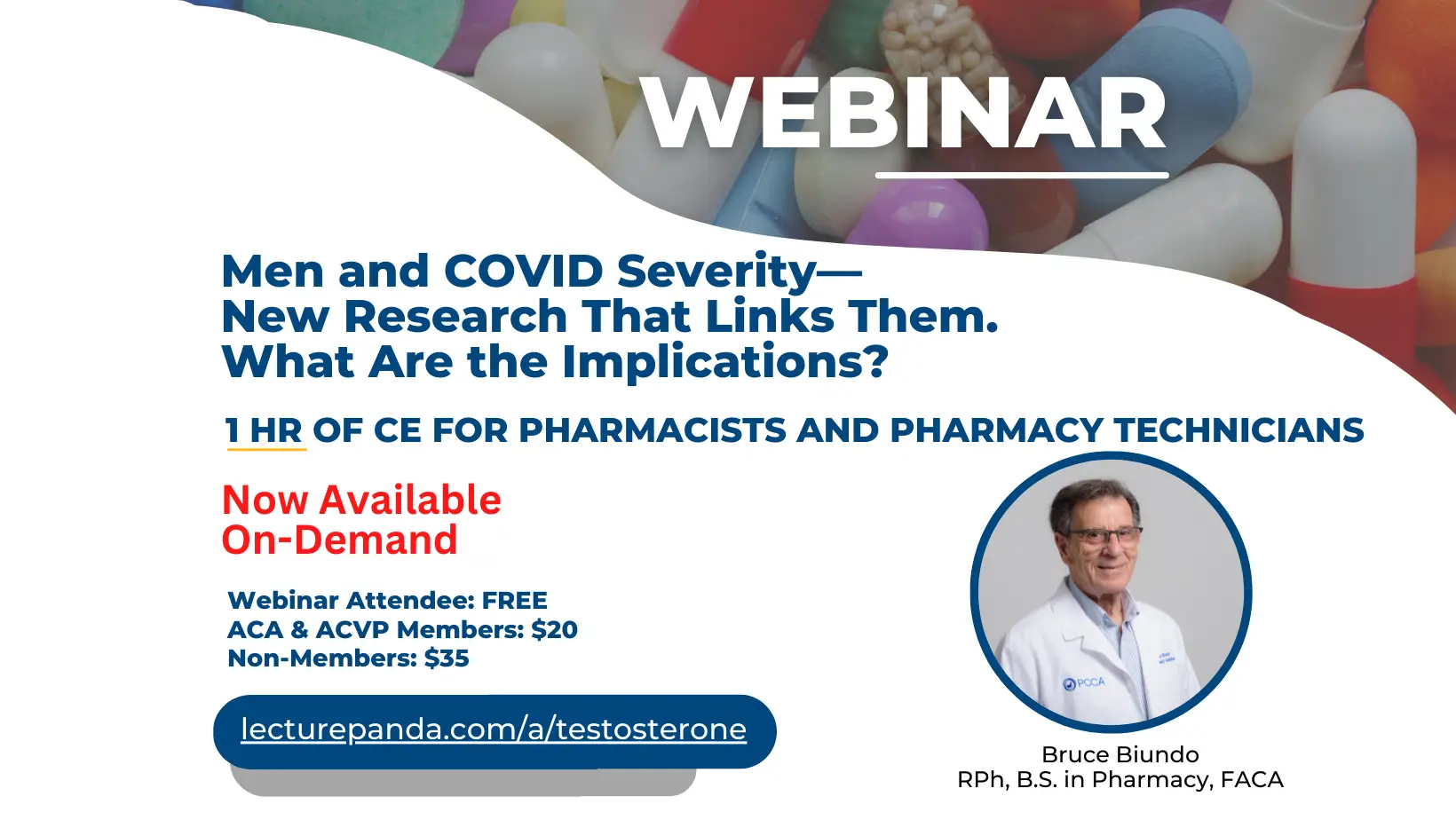
Pharmacists/Technicians will have better understanding of why men suffered more severely from COVID-19 than women, and what that can mean in other acute, viral conditions. Pharmacist will be better equipped to discuss relative health risks/benefits of testosterone in cardiovascular disease and prostate cancer.  Thus, the pharmacist/technician will be able to engage with and educate both physicians and patients on the information discussed regarding testosterone.

NOW AVAILABLE ON DEMAND!

Webinar Attendee: FREE
ACA & ACVP Members: $20
Non-Members: $35

Learning Objectives :

  1. Describe medical literature linking low Testosterone in men with severity of Covid-19.
  2. Discuss why low testosterone exerts this effect in men with Covid-19.
  3. Describe the latest literature discussing testosterone in relationship to cardiovascular disease and prostate cancer.
  4. Choose useful ways to find current medical literature on testosterone.

Register for On-Demand Webinar here: https://www.lecturepanda.com/a/testosterone

Bruce On Demand

Bruce Biundo, RPh, B.S, FACA,  joined PCCA as a pharmacy consultant in 1997 after many years as a community pharmacist. What is likely the first educational event on low testosterone in men was presented by Bruce at the PCCA International Seminar in April 1999. In a short time, the interest grew and over the intervening years, the breadth and depth of information has greatly increased. As Bruce’s knowledge increased, so did PCCA’s ability to educate pharmacists and physicians on how to diagnose and treat low testosterone in men. Over the years, Bruce has had a dozen articles published, mostly dealing with men’s health and testosterone topics. In addition, he was a contributor to Remington: The Science and Practice of Pharmacy, 22nd Edition, and is the co-author of the chapter on Nutrition in the book Aging Men’s Health. Bruce retired from PCCA in December 2021 but continues to provide compounding education.

INDUSTRY UPDATE: USP 795 & Quality Nonsterile Compounds Webinar

2025-11-01T05:01:58-05:00September 13th, 2022|Categories: Pharmacy Technician, Pharmacist Training, USP 795|Tags: , |

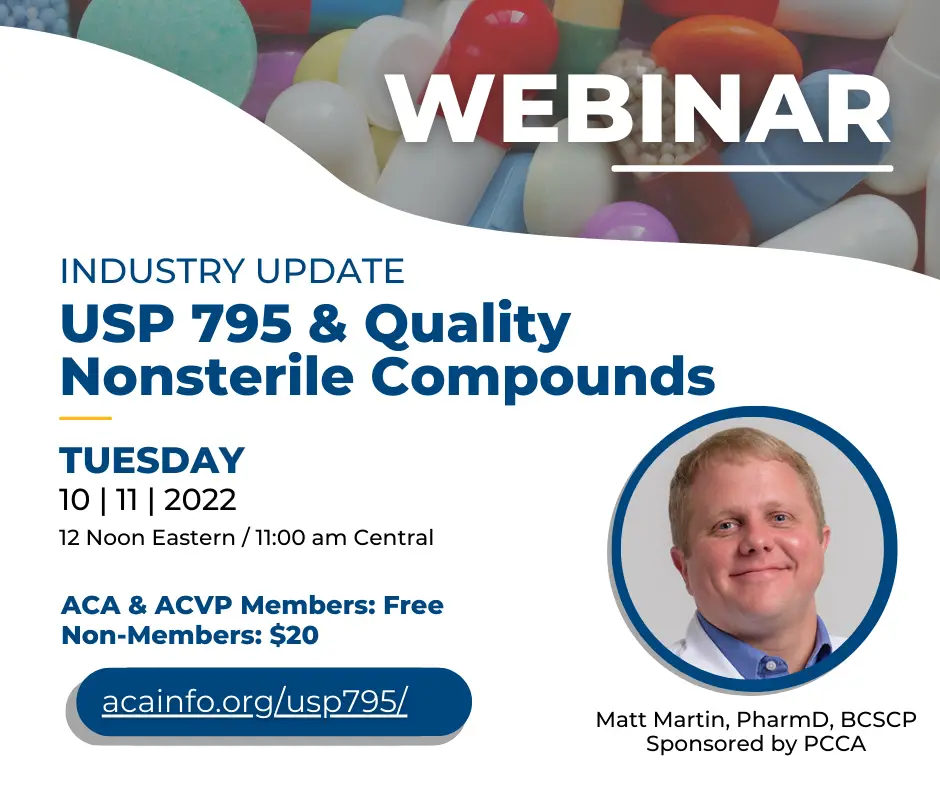
USP has proposed revisions to chapter <795> which creates minimum standards for compounding of nonsterile dosage forms for both human and animal patients. Attendees will learn about the changes from the current version of USP <795>, highlight key themes in the proposed changes, and prepare themselves to meet or exceed these new standards. In addition, attendees will learn how some the concepts coincide with the FDA’s Insanitary Conditions Guidance document and the role this currently plays in pharmacy practice.

Tuesday, October 11, 2022
12 Noon Eastern / 11:00 am Central / 10:00 am Mountain / 9:00 am Pacific

ACA & ACVP Members: FREE
Non-Members: $20

Learning Objectives:

  1. Define the changes in the proposed USP <795> compared to the current USP <795>
  2. Illustrate the role that personnel and appropriate facilities play in limiting potential contamination of nonsterile compounds.
  3. Analyze the key themes of the proposed USP <795> and how they coincide with the FDA’s Insanitary Conditions Guidance
  4. Plan to implement any changes needed for compliance and quality of nonsterile compounds.

This webinar does not offer CE.

Register below. After you register, you will be directed to Zoom to complete your sign up and receive your Zoom webinar links via email.

Loading…
USP795 Webinar Oct 2022

Matt Martin, PharmD, BCSCP, joined the PCCA Clinical Services team in September 2014 and now serves as Director of Clinical Services. He graduated from Morehead State University with a BS in Chemistry in 2002 and received his PharmD from the University of Kentucky College of Pharmacy in 2006. In 2020, Matt became board certified in Compounded Sterile Preparations through the Board of Pharmacy Specialties. Prior to joining the PCCA team, Matt worked in compounding pharmacy for more than eight years and has experience with both sterile and non-sterile preparations.

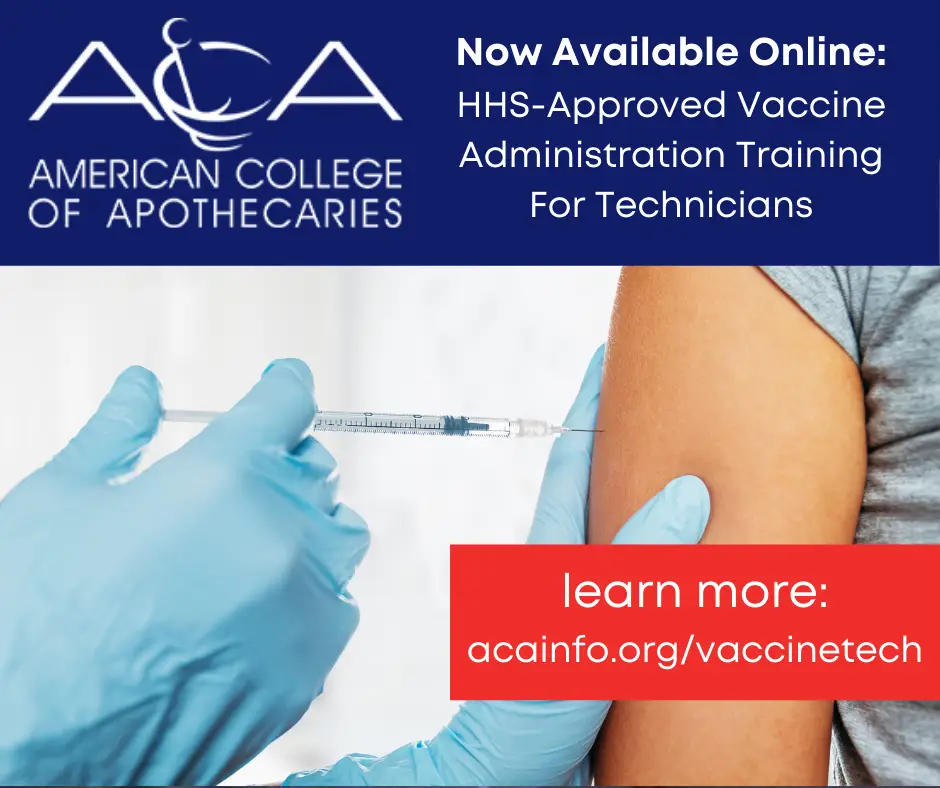
Now Available Online through ACA: HHS-Approved Vaccine Administration Training For Technicians

2021-02-05T12:44:24-06:00February 5th, 2021|Categories: Immunizations, Pharmacy Technician|Tags: , , |

This week the Biden administration announced that an additional 1 million doses of COVID vaccines will be sent to 6,500 pharmacies across the country to ramp up immunization rates. Due to the Prep Act, pharmacy technicians are now authorized to administer COVID and other critical vaccinations in all 50 states – but only after HHS approved immunization training.

ACA now offers convenient, HHS-approved Vaccine Administration Training for Pharmacy Technicians with a member discount via its online Education Center: acainfo.org/vaccinetech

This training, which was developed by the Washington State Pharmacy Association (WSPA), is HHS approved and will allow Technicians to vaccinate children under 18 years and the COVID-19 vaccine. This training is also recognized as fulfilling the education requirements for the PTCB Immunization Administration Assessment-Based Certificate Program.

Celebrating Pharmacy Technician Day

2025-11-02T14:19:11-06:00October 20th, 2020|Categories: News Release, Pharmacy Technician|

October 20, 2020

On Pharmacy Technician Day we celebrate the important role that pharmacy technicians play in assuring patient health and safety and as an integral part of the pharmacy team. Thank you for your hard work and for all that you contribute—on the front lines and behind the scenes—to improve the pharmacy community.

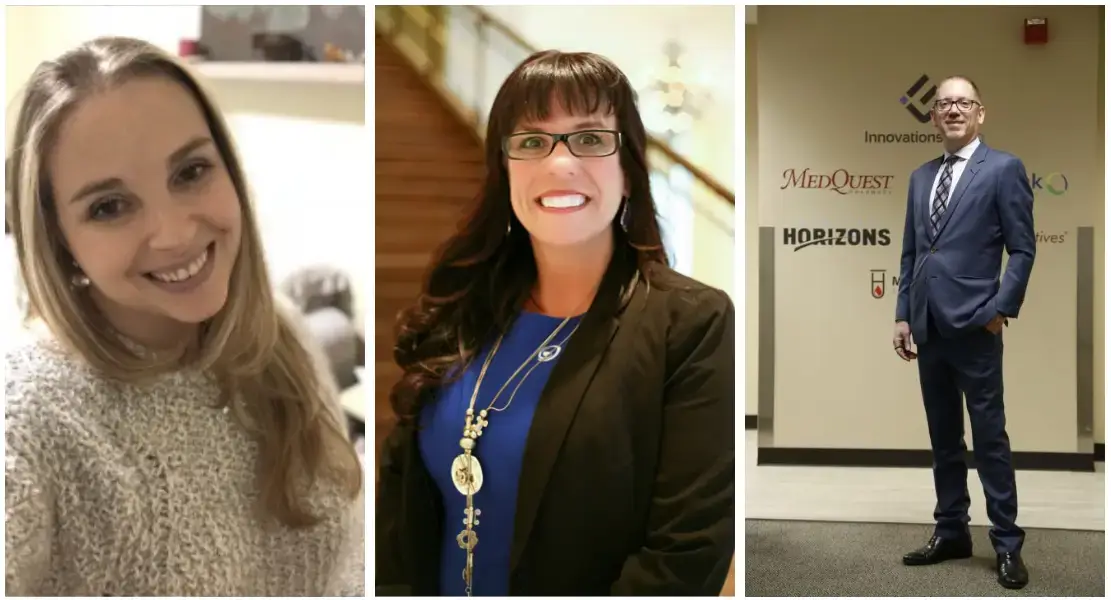
Meet a few of our ACA, ACVP, and PPHI Pharmacy Technician Members below.

Pharmacy Technician Day

Scherra Bartoli, CPhT, RPhT, PRS

Pharmacy Regulatory Specialist | Integrated Medical Systems – IMS

Scherra Bartoli, CPhT

ACA & ACVP Member since 2014

Changing life circumstances brought me to work at my very first pharmacy as a clerk and then technician. I decided very quickly that I wanted to know more and challenged myself to get my CPhT by the next testing date which was in 48 days. It was one of the hardest things I had to do but it left me eager to learn more! Soon my pharmacist realized my passion was perhaps too big for inside the pharmacy, so he sent me out to market a few days a week which led to new position as the Director of Marketing for Allenhill Pharmacy and Medical Supply. I attended marketing training and eventually was asked to up speak myself at a conference for the American College of Veterinary Pharmacists!

Since leaving Allenhill, I went on to become the Director of Marketing and Sales for a large pharmacy program and spoke at several national conferences regarding marketing your compounding business. I was then hired by the American College of Apothecaries and the American College of Veterinary Pharmacists where I oversaw the complete renovation of and directed the compounding training programs. I also assisted in running their Veterinary Compounding Conference. I moved on from there to work as a Director of Compounding for a local pharmacy and then became a Cleanroom Product Consultant for MSD, McKesson. In 2020 I joined Integrated Medical Systems – IMS, serving as the Pharmacy Regulatory Specialist to assist clients in tailored product selection and overall compliance.

There are no limitations to what you can do with your career as a pharmacy technician. Find your passion and see where it takes you.

Erin Michael, MBA, MS, CPhT

Director of Outside Sales | PCCA

ACA Member since 2019

I started working in pharmacy at the young age of 15. It was a community pharmacy in Encino, California, that had a video department and large gift department in addition to the pharmacy. I will never forget the relationship the pharmacist had with our patients and the difference the services we offered made in their lives. I was always interested in math and science, and I was blessed to work under such an amazing pharmacist. He was definitely an influence in my decision to pursue pharmacy as a career. He shared everything there was to know about pharmacy and before I knew it, I was counting pills, typing prescriptions, and interacting with doctors and patients.

After graduating high school (at 16 years old), I moved to Northern California to start college with a focus on pre-pharmacy. Unfortunately, life got in the way, and I had to take some time away from school to work full time. I applied for a position at the local pharmacy in Eureka, California, but what I found was that since I had moved, the Board of Pharmacy had implemented the registration process for pharmacy technicians. I had experience “teching” but now I needed to fulfill the requirements in order to get registered. After achieving that, I moved on and was one of the first groups of technicians in the country to be certified by the Pharmacy Technician Certification Board. I became a test question writer for the Certification Exam and tutored other fellow technicians who wanted become certified like me.
In 1996, I was introduced to compounding and fell in love. As someone who loves to cook, it felt very natural, and I instantly saw how we could help hospice patients, children with autism, and even dogs and cats. It was so rewarding, and I loved everything I was doing, but I wanted more. My boss was a CPhA member, and as I was researching to see if the Association would benefit me, I started looking at our Local Association and was instrumental in reviving it, oftentimes gathering fifty pharmacists and technicians for CE dinners and association meetings. I continued my advocacy in CPhA serving as Academy of Pharmacy Technicians (APT) Chair, APT Board of Trustees member, and on numerous other committees. Protecting and advancing the profession is a passion of mine, and I am so proud to say I am a pharmacy technician. While I never returned to complete my pharmacy degree, I did go back to get an MBA and an MS. Because of my love for compounding, I have moved on from working in the pharmacy to helping other community pharmacies add compounding to their practice and showing them how they can help patients through customized medications. I am active at the state and national level and most recently was elected to the Alliance for Pharmacy Compounding Board of Directors, a national alliance that protects the compounding profession.

The pharmacy world has changed a lot in twenty-five years, and technicians are a vital part of that world. We have continued to gain responsibility year after year, and I am excited for the future. I encourage not just technicians but everyone in pharmacy to get involved. It takes a village, and we need everyone’s help to continue to advance and protect the pharmacy profession. I am PROUD to be a Pharmacy Technician and encourage you to get involved. Be proud and remember your voice matters!

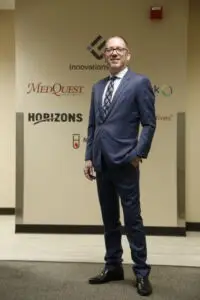
Jeffery R. Bray, MBA, MAED, SHRM-SCP, CHC

Chief Executive Officer | MedQuest Pharmacy

ACA, ACVP, and PPHI Member since 2018

Becoming a pharmacy technician was one of the best decisions I have made. At the time I was going to school and viewed a pharmacy technician position as an interesting job to learn more and make a little extra money for tuition. Fortunately in school I was going straight for the money, History and French Literature.

As a new technician I learned an incredible amount from our two founding pharmacists, Salvador DeLaCruz and Sandra Sheppard. As much as I learned about pharmacy, I also learned about life. Salvador and Sandra taught the importance of hard work and taking care of our patients. They also taught me a lot about the art and science of compounding.


That was over 20 years ago and although many things have changed, the importance of hard work and taking care of our patients have not. Although I still have my active pharmacy technician license, I am now privileged to work with a team of over 100 talented pharmacy professionals at MedQuest Pharmacy in North Salt Lake, UT.

My role as CEO has changed to be a mixture between the head cheerleader and the water boy in order to make sure our team has the resources and support to be successful. We have a culture of everyone being focused on quality and compliance, regardless of their position. We have also expanded that focus to include advocacy and have had the privilege of meeting with many of our elected representatives here in Utah and in Washington, DC to build awareness about the importance of compounding and allow them to see it up close.

As a lifelong learner, I continued my formal education and training and look fondly upon the days of listen to Salvador and Sandra share life lessons. I also feel very privileged to learn from our licensed pharmacy technicians, pharmacists, support staff and other professionals on a daily basis. The greatest reward is to see the feedback from our patients and the significant difference we make in their lives.

Go to Top