USP 800

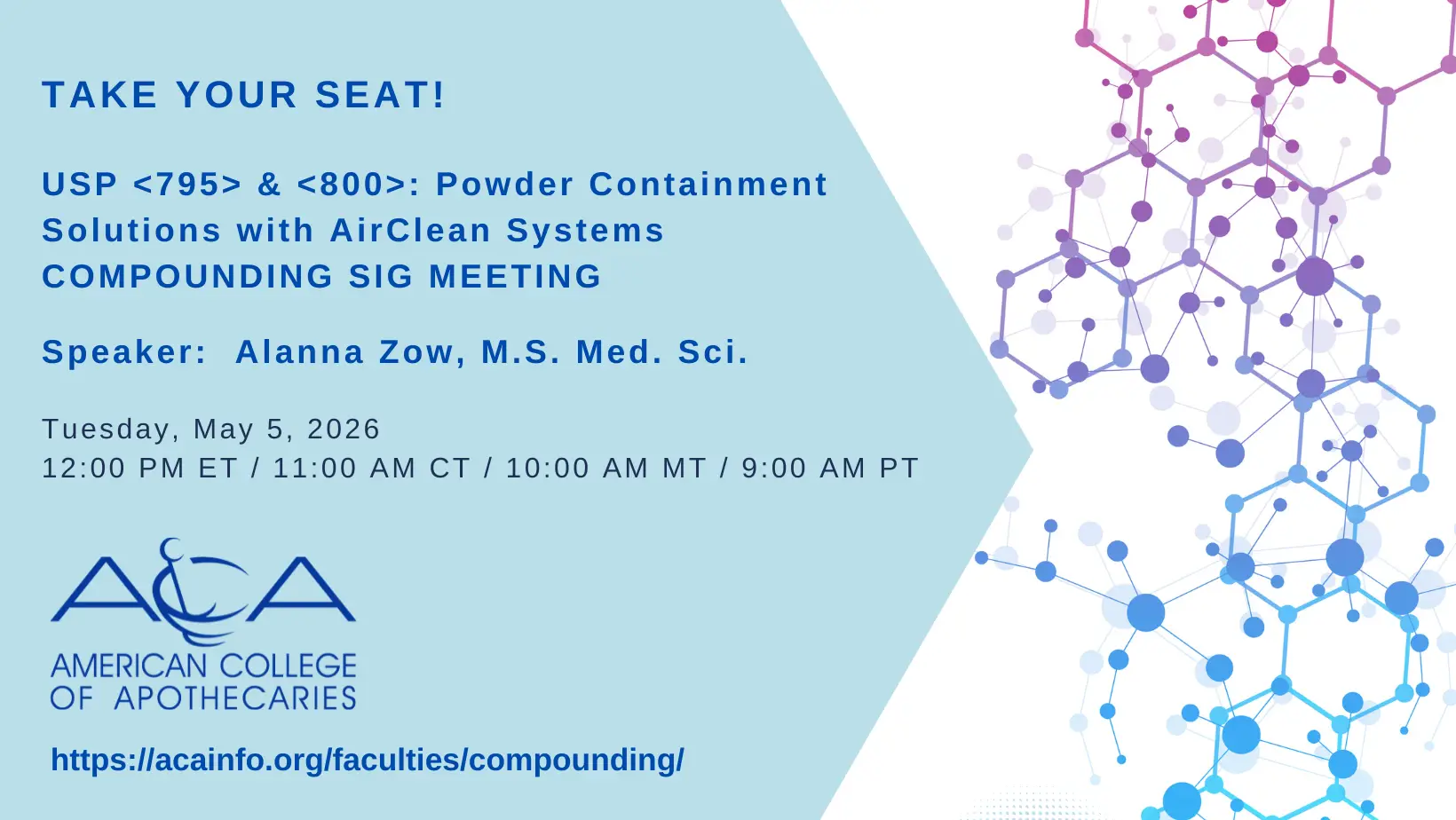
Compounding SIG Meeting: USP <795> & <800>: Powder Containment Solutions with AirClean Systems

2026-04-27T12:10:57-05:00April 27th, 2026|Categories: compounding, Community Pharmacy, Compliance, Pharmacy Practice, Public/Community Health, Quality Assurance, USP 795, USP 800|Tags: , , , , , |

Title: USP <795> & <800>: Powder Containment Solutions with AirClean Systems

Host:  Joah Sundrani
Panelists: Alanna Zow, M.S. Med. Sci., Technical Sales Specialist

Description: Learn about key USP <795> and <800> requirements for powder handling and containment. Alanna will highlight best practices for maintaining compliance, product integrity, and personnel safety, along with recommended solutions from AirClean Systems to minimize exposure and support efficient workflows.

This meeting will not offer CE. This meeting will be recorded.

This meeting is open to all Pharmacy Professionals, FREE for ACA Members, $10 for non-members, registration is required.

In addition, members of the Compounding SIG (Formerly Faculty) will have exclusive access to an online community.

Our Speaker:

Alanna Zow, M.S. Med. Sci., is a Technical Sales Specialist with AirClean Systems. She partners with customers across a diverse range of industries—including research, education, manufacturing, pharmaceuticals, and medical fields—to identify and deliver fume hood and enclosure solutions that support both process integrity and personnel safety.

Alanna holds a Bachelor of Science in Cell and Molecular Biology from the University of South Florida and a Master of Science in Medical Sciences from the University of Kentucky. Her academic background, combined with her technical expertise, enables her to effectively assess customer applications, understand key challenges, and recommend tailored solutions that align with their operational and safety requirements.

Loading…


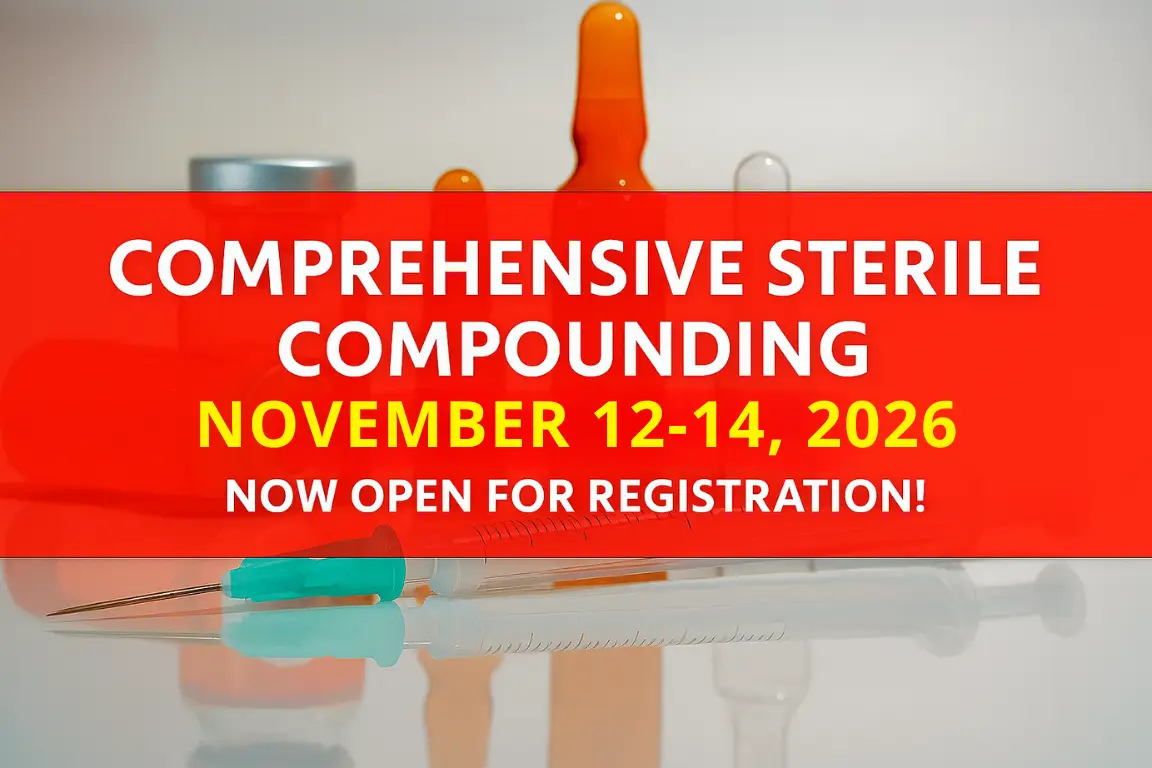
Sterile Compounding Certificate Program | August 27–29, 2026

2026-05-07T10:53:39-05:00April 15th, 2026|Categories: Certificate Program, compounding, Continuing Education, Hazardous drug handling, Pharmacy Practice, Regulatory Issues, Sterile Compounding, USP 797, USP 800|Tags: , , , , , , , , , , , , , , |

The Comprehensive Sterile Compounding Certificate Program is a live, in-depth training program designed for pharmacists and pharmacy technicians involved in sterile compounding. This certificate-based course provides a structured, practice-focused review of sterile compounding standards, regulatory requirements, documentation, training, and quality systems to support safe and compliant operations.

Participants will examine the legal and regulatory framework governing sterile compounding, including applicable FDA guidance and key USP standards such as USP <797> and USP <800>. Emphasis is placed on understanding how these requirements translate into daily practice and inspection readiness.

The program includes detailed instruction on documentation, quality assurance and quality control programs, policies and procedures (SOPs), and personnel training and competency requirements. Attendees will review expectations for facility design, environmental monitoring, equipment, and workflow as they relate to sterile compounding compliance.

A focused module on hazardous drug handling addresses facility requirements, engineering controls, PPE, personnel training, and assessment of risk, with alignment to current safety and regulatory expectations.

This certificate program combines didactic instruction and application-based learning, offering attendees the opportunity to strengthen their sterile compounding knowledge while reinforcing compliance, safety, and best practices.
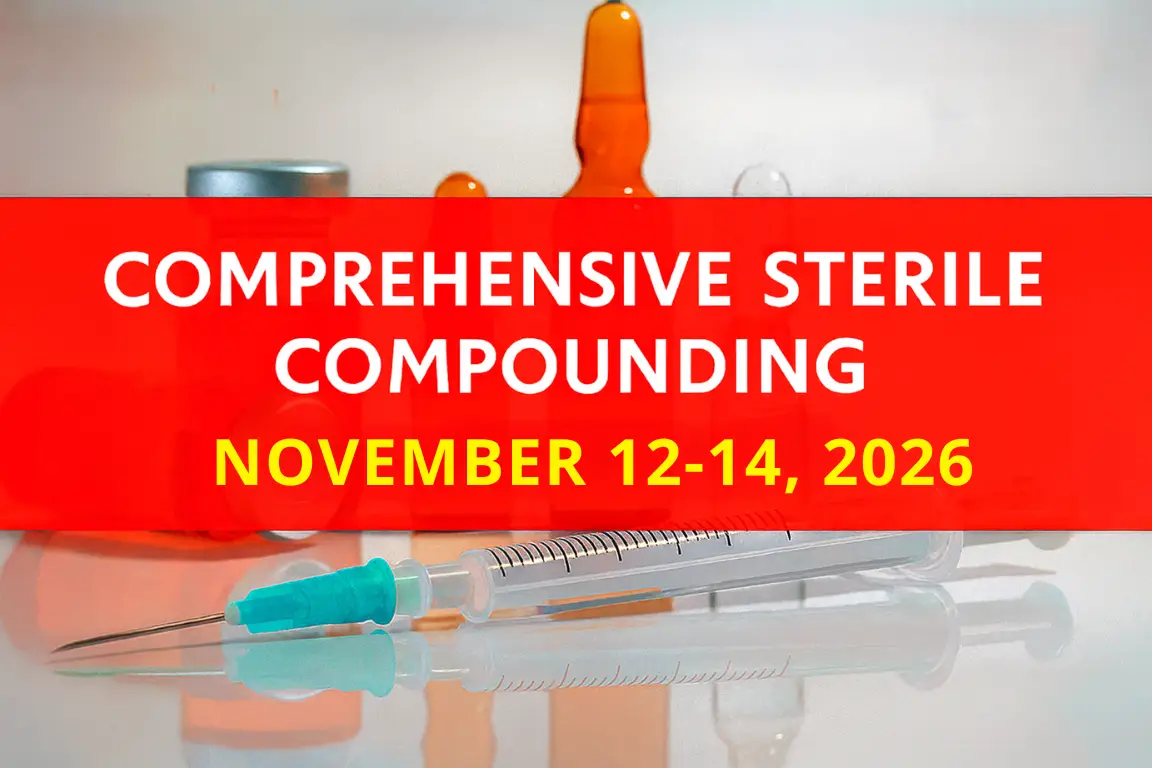
Strengthen your sterile compounding skills and reinforce compliance with this hands-on certificate program. Registration is below.

What attendees said:

  • “This class was super helpful in increasing my knowledge and technique in the lab. I highly recommend it.”
  • “It’s a great class! Anyone want to get into sterile or the ones already doing it, should really consider taking this class.”
  • “With nearly 20 years of sterile compounding practice and exposure, this course reinforced my knowledge and skills in this area. I am more confident after this course.”
Loading...

The American College of Apothecaries (ACA) is accredited by the Accreditation Council for Pharmacy Education as a provider of continuing pharmacy education. ACA has accredited this knowledge/application-based certificate program for 20 contact hours (2.0 CEUs) of continuing education credit for pharmacists and pharmacy technicians.

Hazardous Drug Handling Continuing Education for Pharmacy Personnel | 6-Hour PTCB-Recognized CE

2026-03-19T14:15:55-05:00February 20th, 2026|Categories: Continuing Education, Compliance, Hazardous drug handling, Home Study, Patient Safety, Pharmaceutical Training, Pharmacy Practice, Regulatory Issues, USP 800|Tags: , , , , , , , , , , , , , , , , |

Hazardous Drug Handling – Primer for Pharmacy Personnel is a 6-hour (0.6 CEUs) knowledge-based home study designed for pharmacists and pharmacy technicians who handle hazardous drugs in any practice setting.

This program reviews key requirements under USP <800>, including engineering controls, negative pressure rooms, PPE, cleaning and decontamination procedures, hazardous drug dispensing, receiving and transport, disposal requirements, medical surveillance, and wipe sampling. Participants will also review the NIOSH list and understand how to assess risk and develop compliant SOPs within their facility.

The course emphasizes practical steps to reduce occupational exposure and strengthen documentation and training practices.

This home study is PTCB-Recognized as an Education/Training Program and may help pharmacy technicians prepare for the CPhT-Adv Advanced Certification in Hazardous Drug Management.

Strengthen hazardous drug handling practices and reinforce USP <800> compliance through structured training designed to protect both patients and pharmacy personnel.

What participants said:

  • “informative, concise, and easy to comprehend.”
  • “I can take and apply this knowledge in my current pharmacy.”
  • “It was very organized and easy to follow.”

Registration is below

Note: It is not necessary to create a Lecture Panda account to register for this home study.

The American College of Apothecaries (ACA) is accredited by the Accreditation Council for Pharmacy Education as a provider of continuing pharmacy education. ACA has accredited this knowledge-based program for 6 contact hours (0.6 CEUs) of continuing education credit for pharmacists and pharmacy technicians.
2025 American College of Apothecaries Conference & Expo

2025-10-31T02:13:11-05:00April 28th, 2025|Categories: Continuing Education, ACA Fellows Benefit, Administration/Management, Community Pharmacy, Compliance, compounding, DEA, Ethics, FDA, Fellows and Members, Fellows Benefit, Member Benefits, networking, News Release, Pain Management, Patient Care, Patient Safety, Personal Development, Pharmacists, Pharmacy Law, Pharmacy Practice, Pharmacy Technicians, Preceptor/Mentor Training, Professional Development, Professional Growth, Public/Community Health, Regulatory Issues, Revenue, Risk Management, Sports Medicine, Telemedicine / Telepharmacy, USP 795, USP 797, USP 800, Veterinary Compounding, Webinar|Tags: , , , , , , |

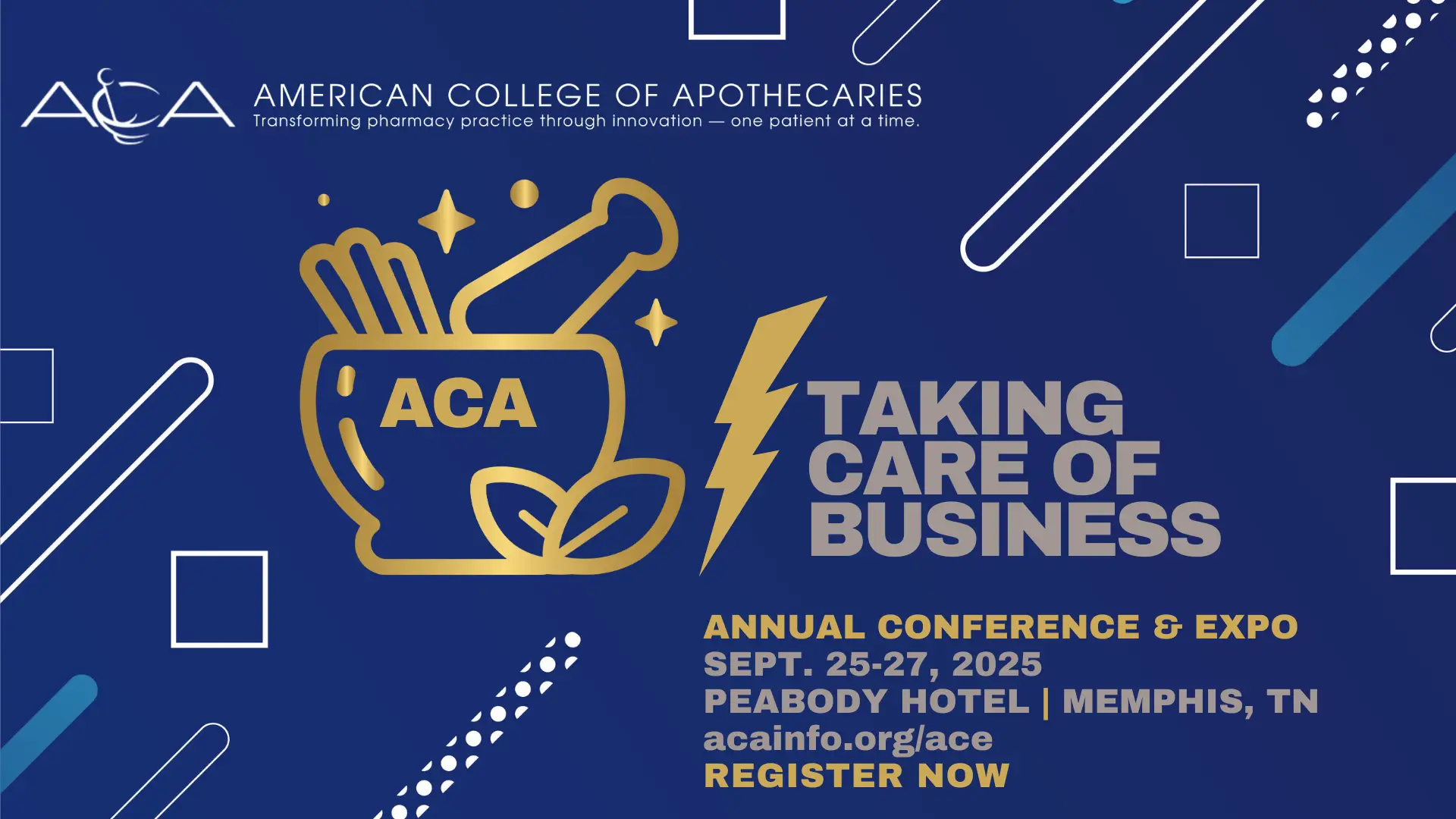
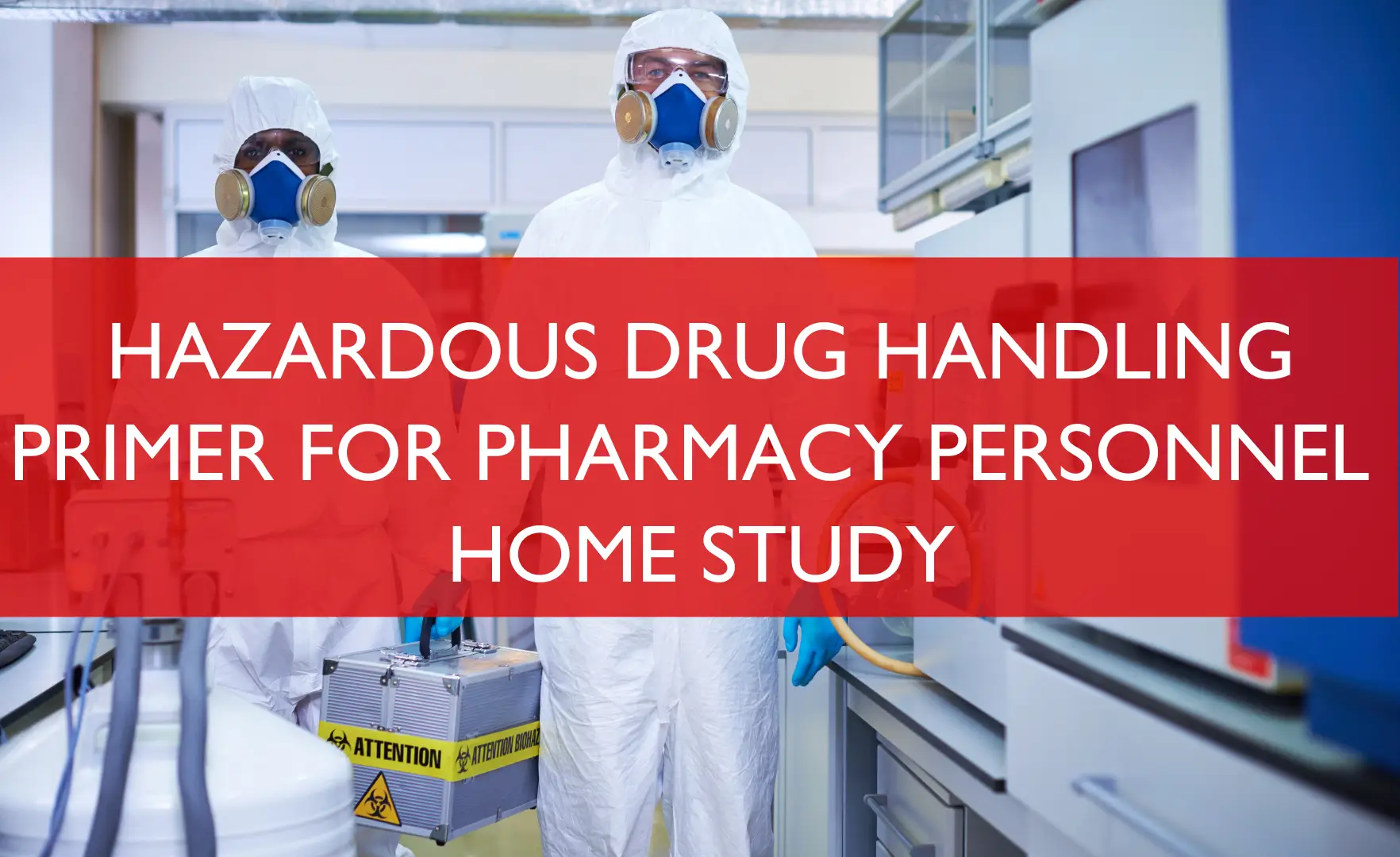
It’s time to pack your bags and polish your business cards — the 2025 ACA Annual Conference & Expo is where independent pharmacy meets unforgettable opportunity!

📍 Memphis, TN | September 25–27, 2025

Join us at the legendary Peabody Hotel for the 2025 ACA Annual Conference & Expo — where independent pharmacy professionals come together to connect, learn, and grow.

Your registration includes:
• Continuing Education credit (except guest registration)
• Thursday Night Welcome Reception & Dinner
• All conference meals

• Full access to the exhibition hall

This is your chance to network with pharmacy leaders, discover the latest trends, and showcase your brand in a dynamic, in-person setting. With educational sessions, social events, and all meals included, this is more than a conference — it’s where pharmacy takes care of business!

Speakers Include:

Philip Cowley, PharmD
Kathy Campbell, PharmD
Jessica Beal, PharmD
Jennifer Adams, PharmD, EdD, FAPhA, FNAP
Sue Paul, RPh
L. Michelle Woosley, PharmD, MBA, CMAP

Reserve your spot today and be part of something meaningful!

2025 ACE Save The Date Rectangle
Reservations
The Peabody Memphis – The “South’s Grand Hotel”

The Peabody Memphis is legendary for its charm, elegance, gracious hospitality, and rich history. This Memphis icon, opened in 1869, is listed on the National Register of Historic Places and is world-famous for its five resident Mallard ducks, who march daily through the lobby at 11am and 5pm.

Nestled in the heart of downtown, this AAA Four-Diamond hotel offers a one-of-a-kind experience just blocks from Beale Street, the Memphis Rock ‘n Soul Museum, Fed-Ex Forum, Sun Studio, and the Orpheum Theatre.  The Peabody Memphis offers two Restaurants, two Bars, Spa, and a Deli with ice cream and desserts.

THE PEABODY MEMPHIS
149 Union Avenue, Memphis TN 38103

Group Rate: $249 plus taxes and fees
Room Block Deadline: Monday, August 25, 2025, at 5:00 pm CDT

To make your reservations, click the button below or contact Susan Decker, ACA Director of Conferences at 434-989-5938 or susan@acainfo.org.

Individuals will guarantee reservations with a credit card or deposit equal to the first night’s room and tax.

2025 Sponsors and Exhibitors

AirClean
Boiron
Gates
RX Insider
Topi CLICK
ZRT Lab

ACA HOME STUDY: Dermatological Compounding

2025-10-31T12:23:59-05:00April 16th, 2025|Categories: Continuing Education, compounding, Dermatology, Home Study, USP 800, Workplace Skills|Tags: , , , , , |

Our Dermatological Compounding Home Study is an accredited 5-hour knowledge-based program designed specifically for compounding pharmacists and pharmacy technicians. This self-paced learning program provides a thorough overview of the formulation and preparation of creams, emulsions, ointments, pastes, gels, PLOs, solutions, lotions, powders, and both semi-solid and commercially available bases.
Participants will also review important compendial standards, including microbial content, minimum fill, quality control, preparation and labeling, patient counseling, and guidelines for establishing and extending beyond-use dates.

Course Highlights Include:

Introduction to Compounding

  • History of pharmaceutical compounding
  • USP chapters and drug monographs
  • Best practices and evolving trends in the U.S.

Dermatological Disease States Covered:

  • Atopic Dermatitis (Eczema): Clinical features, treatment options, and custom formulations
  • Psoriasis & Cutaneous Infections: Includes dermatophytosis, candidiasis, and warts
  • Acne Vulgaris & Rosacea: Differentiation, treatment overviews, and compoundable therapies

Whether you’re looking to strengthen your foundational knowledge or expand your skill set in dermatological compounding, this home study offers a well-rounded, practical approach. Enroll now and learn at your own pace! Registration is below.


The American College of Apothecaries (ACA) is accredited by the Accreditation Council for Pharmacy Education as a provider of continuing pharmacy education. ACA has accredited this knowledge-based program for 5 contact hours (0.5 CEUs) of continuing education credit for pharmacists and pharmacy technicians.
Five Myths About USP

2025-11-02T21:37:40-06:00November 25th, 2019|Categories: USP 800|

By Ernest P. Gates. Jr., RPh, FASCP, FIACP, FACA
From THE VOICE OF INDEPENDENT PHARMACY, Fall 2019

For nearly 200 years, the United States Pharmacopeia – or USP – has been setting standards for pharmaceuticals and the practice of pharmacy. However, its latest chapter – like any new standard or regulation – is creating uncertainty among the pharmacy community. USP <800>, which governs pharmacy handling of hazardous medication, takes effect on December 1, and many states will require compliance as of that date.

There are many myths surrounding USP <800>. Below are five with which you should be familiar, to avoid falling into a trap of non-compliance with this important new chapter.

Myth: My pharmacy prepares hazardous drugs but I don’t need to make changes to my practice to comply.

Fact: USP <800> requires a lab with negative pressure ventilation, including a minimum of 12 air exchanges per hour. If you do not have a negative pressure lab to compound these drugs, and you are in a state that is enforcing USP <800>, or you ship to a state that is enforcing the chapter, you will need to cease operations until you have created such a facility. You should be aware that to create a negative pressure environment you will need to vent to the outside either through the roof or a side wall. This will require new ductwork or a relocation of your lab.

Myth: My state is not enforcing USP <800> so I am all set.

Fact: Even if your state is not implementing USP <800> as of December 1, you must be compliant to ship medication to any state that is enforcing it. If you are not compliant you must cease out-of-state shipping to these states until you bring your lab into compliance. Also, it is important to not rest on your laurels. Even states that do not plan to implement USP <800> by December will likely implement it eventually. Those pharmacies that first saw USP <800> approaching, or something like it, and built to that specification are in a much better place today. Even if it is not required now, you should plan as though it soon will be. Separate and apart from your board of pharmacy, the Occupational Safety and Health Administration (OSHA) has requirements for handling hazardous drugs that are in effect now.

Myth: USP <800> involves relatively quick fixes to my lab.

Fact: USP <800> compliance is anything but quick or easy. If you do not currently comply, you will need to install new equipment that must first be ordered and then professionally installed. Separate and apart from any equipment orders, you likely will need to make design and layout changes to your lab and pharmacy unless your facilities were built in anticipation of USP <800>. Design and layout changes can involve moving walls and replac-ing or installing new electrical and plumbing systems. If you have renovated any type of space before, including your kitchen or bathroom at home, you know how hard it is to get designs, bid out the work, hire a contractor and secure permits. You should not underestimate the time involved.

Myth: I am not concerned with USP <800> because I don’t compound.

Fact: All pharmacies – even retail only – must ensure compliance with USP <800>, in those states where it is being enforced. For instance, USP <800> has require-ments for handling finished dosage forms that are on the NIOSH Hazardous Drug List. A careful review of that list and USP <800> are necessary to ensure compliance. You can download USP <800> here.

Myth: If I am not compliant with USP <800> and I dispense hazardous drugs, my only concern is my state board of pharmacy.

Fact: Pharmacies that handle hazardous medications and do not comply are at risk of punitive action on multiple fronts. For example, an employee or former employee can allege harm to themselves or an unborn child and file a legal action. Also, OSHA always has the authority to issue stiff fines on the basis of an unsafe workplace.

Fortunately, you do not have to go it alone. There are consultants who can help navigate the thicket of regulatory and design issues to achieve compliance.USP <800> will create a safer workplace for you and your team. What we now know about hazardous drugs we didn’t necessarily know just a few years ago. Change is always hard, and sometimes costly, but it usually puts us in a better place when done.

Ernest P. Gates. Jr., RPh, FASCP, FIACP, FACA is President of Gates Healthcare Associates in Middleton, Mass. To learn more about Gates Healthcare Associates, or for help with USP <800> compliance, go to www.gatesconsult.com.

Ernie Gates

Ernest P. Gates. Jr., RPh, FASCP, FIACP, FACA

Go to Top