 Skip to content
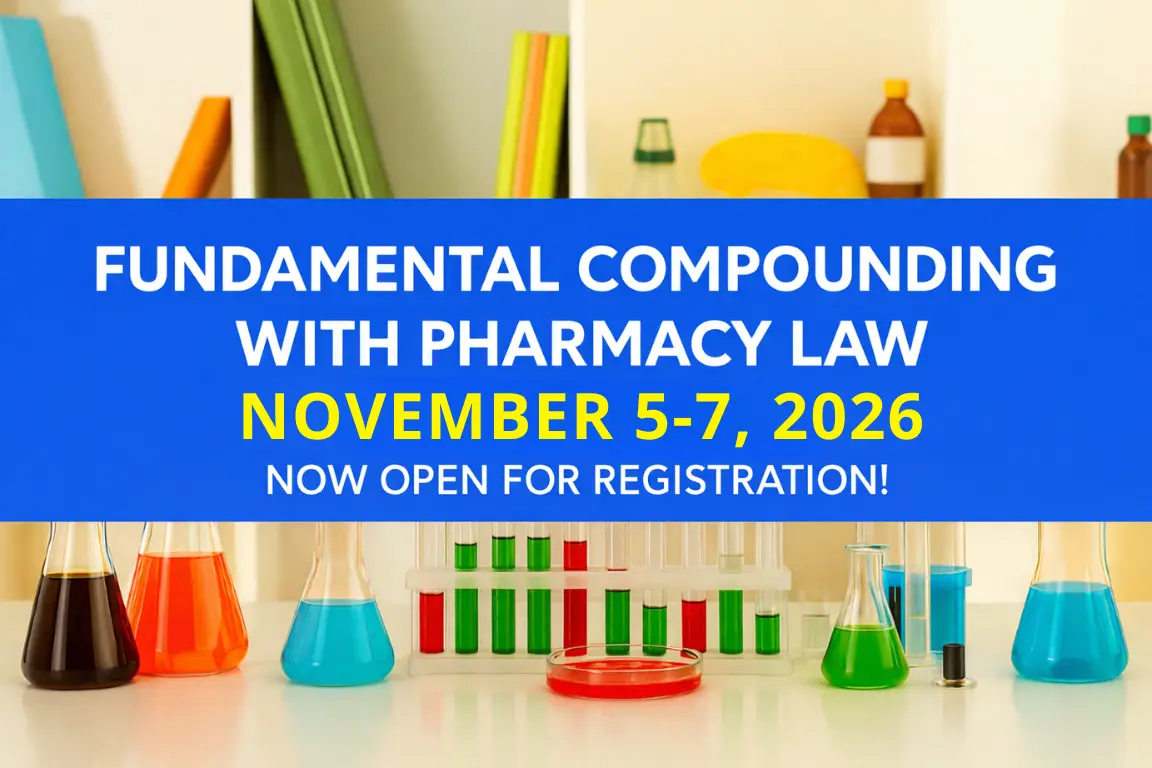
Fundamental Compounding with Pharmacy Law | November 5-7, 2026
Fundamental Compounding with Pharmacy Law is a live, multi-day compounding course designed for pharmacists, pharmacy technicians, and pharmacy professionals seeking a strong foundation in both compounding practices and regulatory compliance. This course integrates compounding principles with pharmacy law to support safe, compliant, and high-quality compounding operations.
Participants will review the regulatory framework governing pharmacy compounding, including applicable federal and state considerations and key United States Pharmacopeia (USP) standards. Emphasis is placed on documentation, quality assurance, policies and procedures, and compliance requirements essential to day-to-day compounding practice.
The course includes instruction and hands-on training in common nonsterile dosage forms, such as capsules, molded dosage forms, and topical preparations. Participants will learn proper techniques, equipment use, quality control measures, and best practices to support consistency and patient safety.
A dedicated session on hazardous drug handling addresses requirements for facilities, engineering controls, PPE, and personnel training, with alignment to applicable USP standards and safety expectations.
This program combines didactic instruction and application-based learning to reinforce compounding knowledge, regulatory awareness, and practical skills in a structured, in-person environment.
Strengthen your foundation in compounding and pharmacy law through this practical, live training. Registration is below.
What attendees said:
- “The ACA Fundamentals of Compounding Course was one of the best decisions I’ve made for my pharmacy. The small, hands-on setting, focus on USP 795/800, and opportunity to network with both new and experienced compounders made it invaluable. Highly recommend!”
- “The instructor effectively highlighted important topics and used real-world examples to support learning. The small class size made it easy to ask questions and have open discussions.”
- “The class was great. The networking with other pharmacists from different areas was great. I was immediately able to take the knowledge learned and apply it in my store.”
 The American College of Apothecaries (ACA) is accredited by the Accreditation Council for Pharmacy Education as a provider of continuing pharmacy education. ACA has accredited this knowledge/application-based certificate program for 21 contact hours (2.1 CEUs) of continuing education credit for pharmacists and pharmacy technicians.

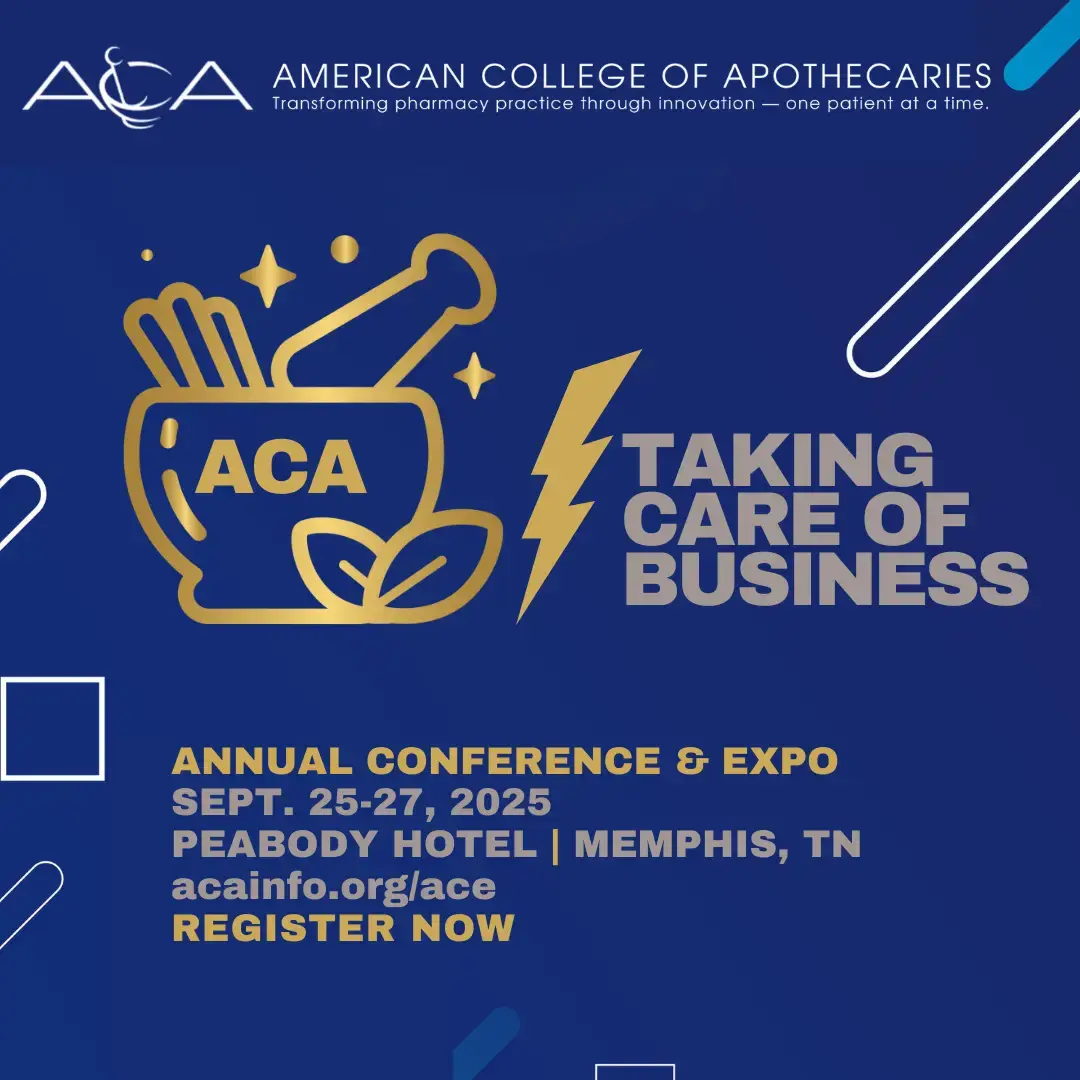



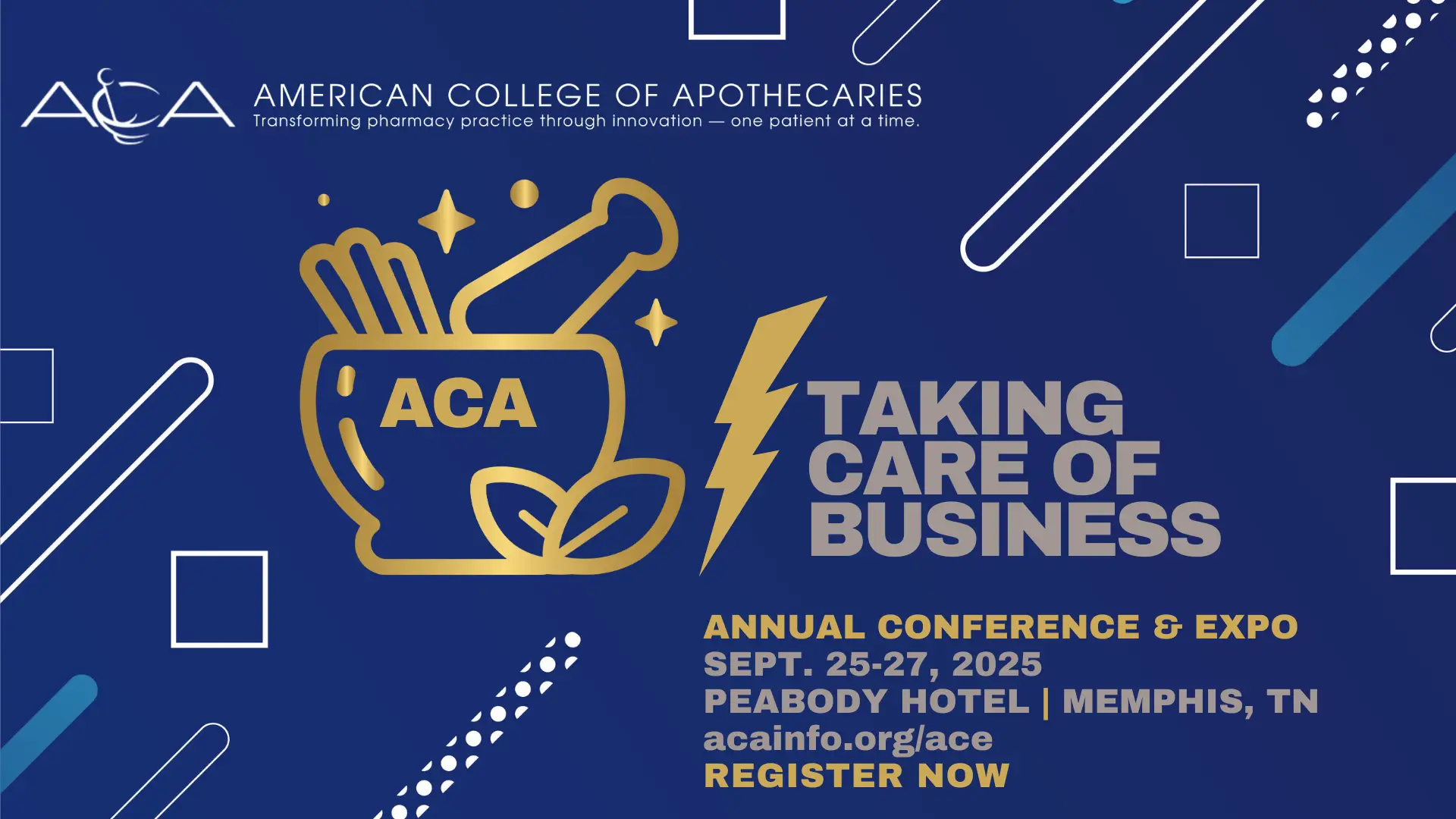
 Register of Historic Places and is world-famous for its five resident Mallard ducks, who march daily through the lobby at 11am and 5pm.
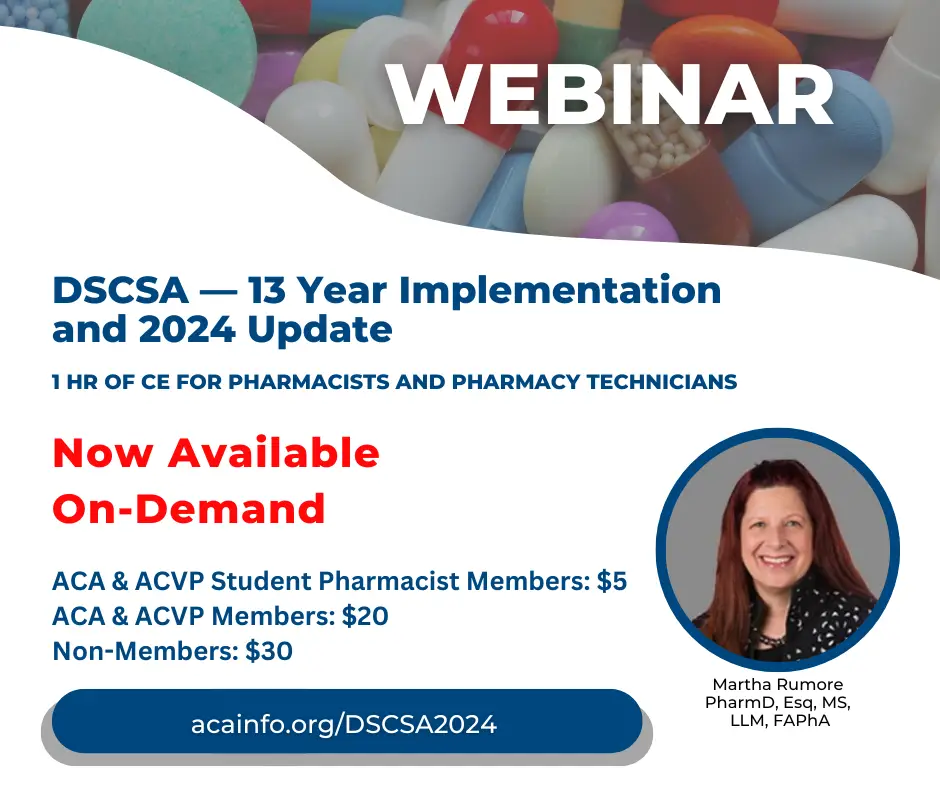
 Martha M. Rumore, PharmD, Esq, MS, LLM, FAPhA is a pharmacist-attorney in Frier Levitt’s Life Sciences Department. She is also a registered patent attorney and leads the firm’s Intellectual property team. She has broad and in-depth healthcare and regulatory experience. Her practice focuses on intellectual property (patents, trademarks, copyrights, trade secrets) and healthcare law, Food, Drug, Device & Cosmetic law (all facets-483s to clinical trials to registrations and product approval), pharmacy law and regulatory issues, 503A/503B compounding, Board of Pharmacy (licensing and disciplinary matters), PBM audits, and DSCSA supply chain compliance. Dr. Rumore has over 25 years of health-system, pharmaceutical industry, and law firm experience in the area of Food, Drug & Cosmetic Law, and pharmaceutical intellectual property Dr. Rumore is fluent in cGMPs, GCPs, writing and reviewing Clinical Trial Agreements (CTAs), Investigator brochures, manuscripts, labeling & advertising review, NDAs, study reports, and documents for regulatory submissions. She often prepares legal memoranda on healthcare/FDA matters and conducts Mock State Board of Pharmacy and FDA inspections for compounding pharmacies. Dr. Rumore has practiced both pharmacy and law. She has actual experience as a compounding pharmacist. She regularly counsels on Section 503A and state-specific compounding requirements, assesses compounding practices for state and federal regulatory compliance, including USP 797/795/800, medical necessity documentation, advertising & promotion, reimbursement issues, infrastructure, and preparing compounding policies and procedures that provide clear guidelines, standards, and training for staff. Previously, she was at the Director level in Drug Regulatory Affairs/Compliance in the pharmaceutical industry and hospital pharmacy. She taught Pharmacy Law, Drug Regulatory Affairs, and Food Drug & Cosmetic Law at several New York Colleges of Pharmacy and currently teaches Food, Drug & Cosmetic Law at Maurice A. Deane School of Law at Hofstra University. She is a frequent lecturer and has over 200 publications and presentations.