 Skip to content
COMPOUNDING SIG: To 503B or Not to 503B: That is the Question?
DID YOU MISS THE MEETING?
Should your pharmacy consider 503B outsourcing? What are the opportunities, costs, and regulatory considerations?
Join us for a discussion of the 503B outsourcing facility model and how it differs from traditional pharmacy compounding. We’ll explore the current 503B market, capital and operational requirements, regulatory differences, and important considerations for pharmacies evaluating whether 503B may be right for their business.
The discussion will also include a separate look at controlled substances and the additional regulatory requirements and considerations that apply.
Whether you are considering entering the 503B space, partnering with a 503B facility, or simply want to better understand the differences, this SIG will provide valuable insight to help you make informed decisions.
Join us for this informative and timely discussion on one of the important questions facing compounding pharmacies today.
Erik Tosh, RPh, FACA, brings more than 40 years of pharmacy experience and nearly five decades of experience in healthcare, with a career spanning hospital pharmacy, independent community pharmacy, pharmaceutical compounding, and industry leadership. His extensive compounding experience includes serving as Director of Operations for a large sterile compounding facility that later became registered as a 503B outsourcing facility. In that role, he oversaw operations that included production, regulatory and compliance activities, purchasing, shipping, and the preparation of high-risk compounded medications for hospitals across the United States.
Tosh later served as Vice President of Compounding Support Services at Letco Medical, where he led compounding support initiatives, developed continuing education programs, provided technical training, and worked closely with professional pharmacy organizations. He retired in 2021.
In addition to his industry experience, Tosh has served as adjunct faculty at Western University College of Pharmacy and has presented ACPE-accredited education on pharmaceutical compounding. He is a past President and Chairman of the International Academy of Compounding Pharmacists and has contributed to professional publications including Remington: The Science and Practice of Pharmacy and the International Journal of Pharmaceutical Compounding.
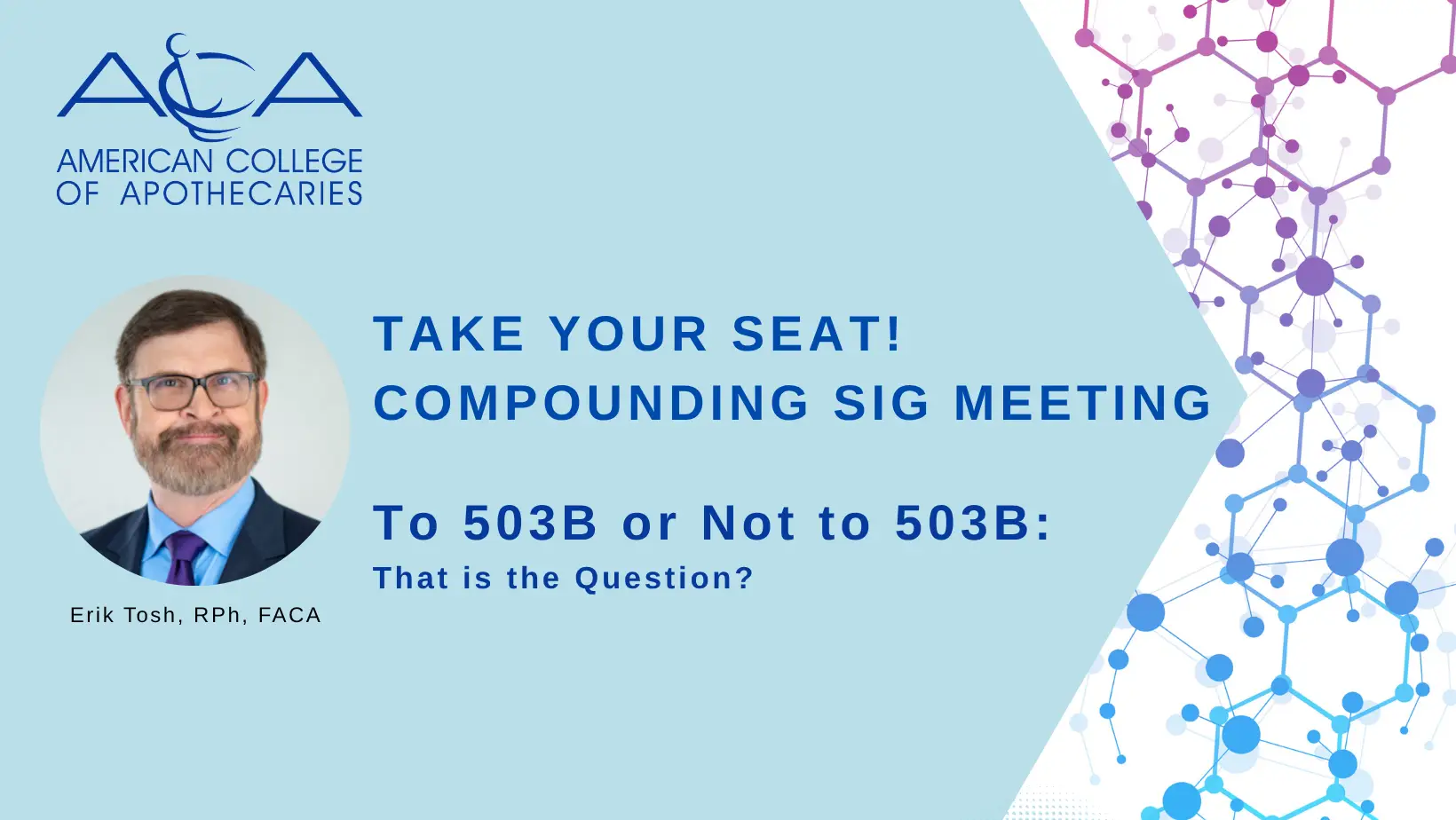
Considering the move to 503B? Join us for a discussion of what it takes to start or transition to a 503B Outsourcing Facility. We’ll begin with an overview of the key considerations involved, then open the conversation for attendees to ask questions, share experiences, and exchange perspectives.
This meeting will not offer CE.
LISTEN NOW
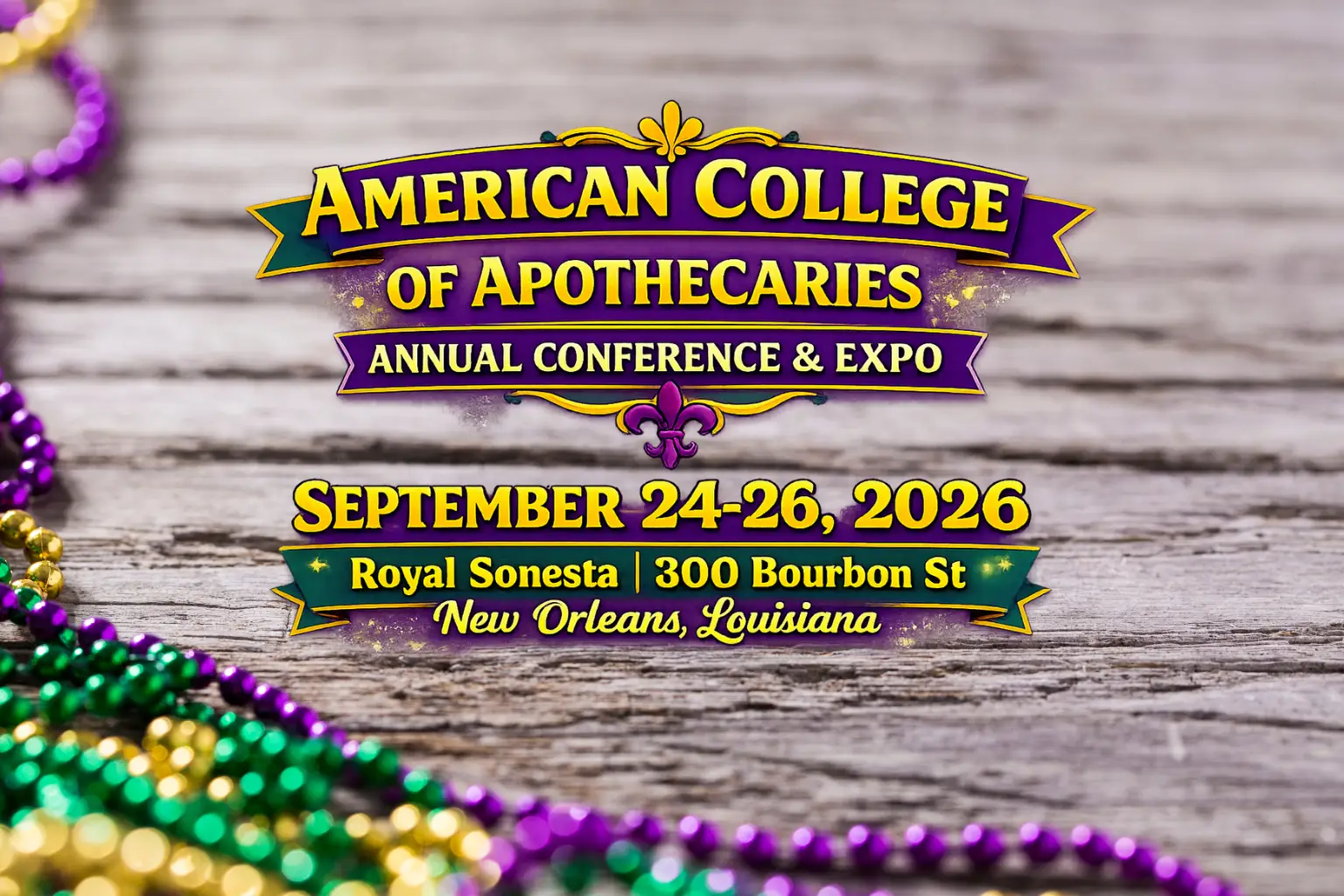







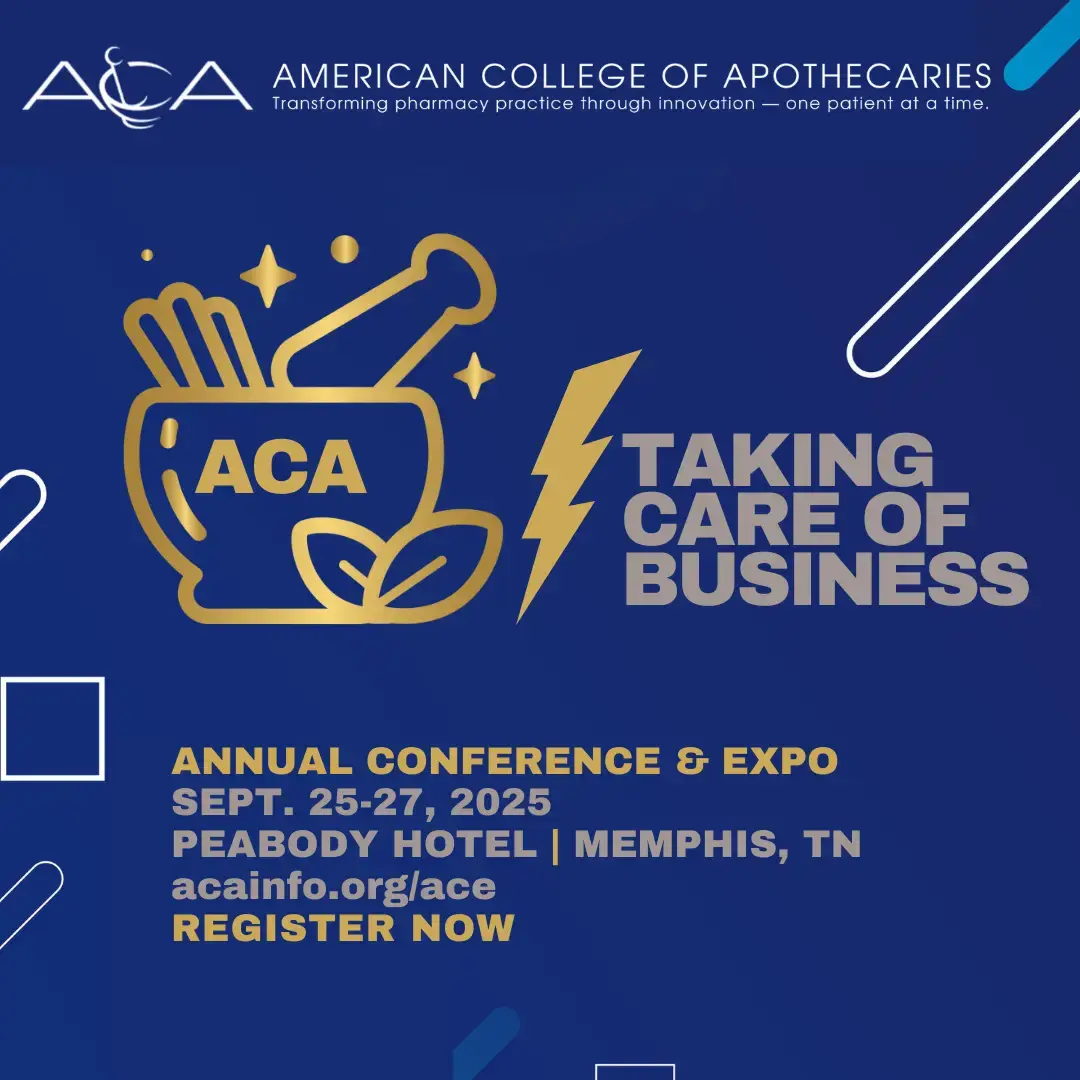



 Register of Historic Places and is world-famous for its five resident Mallard ducks, who march daily through the lobby at 11am and 5pm.
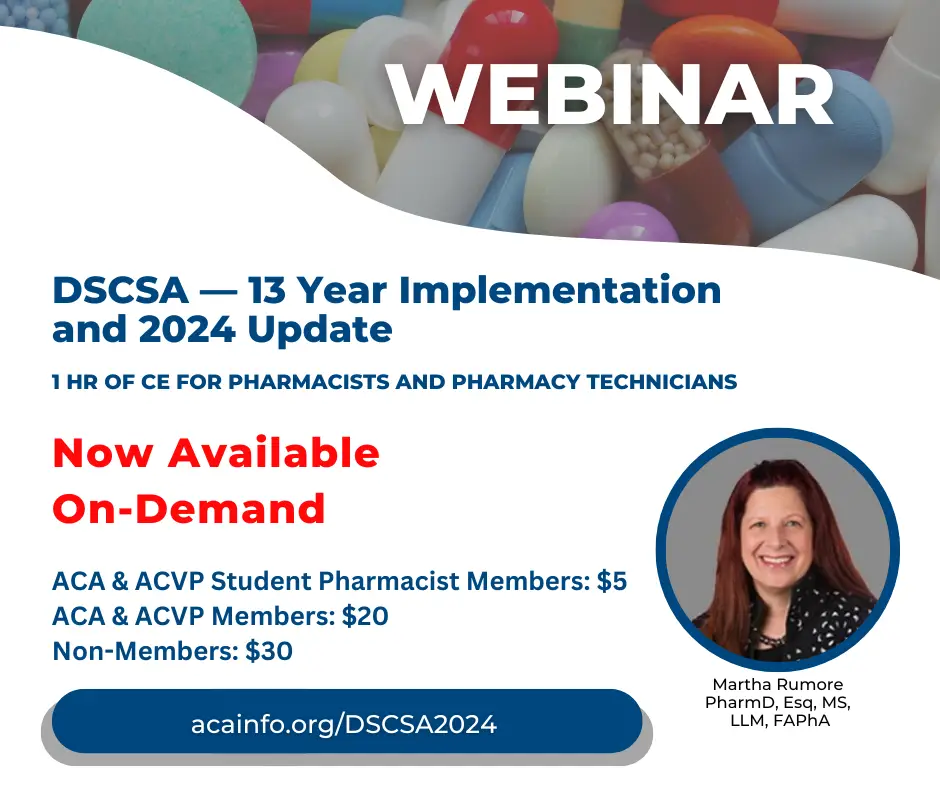
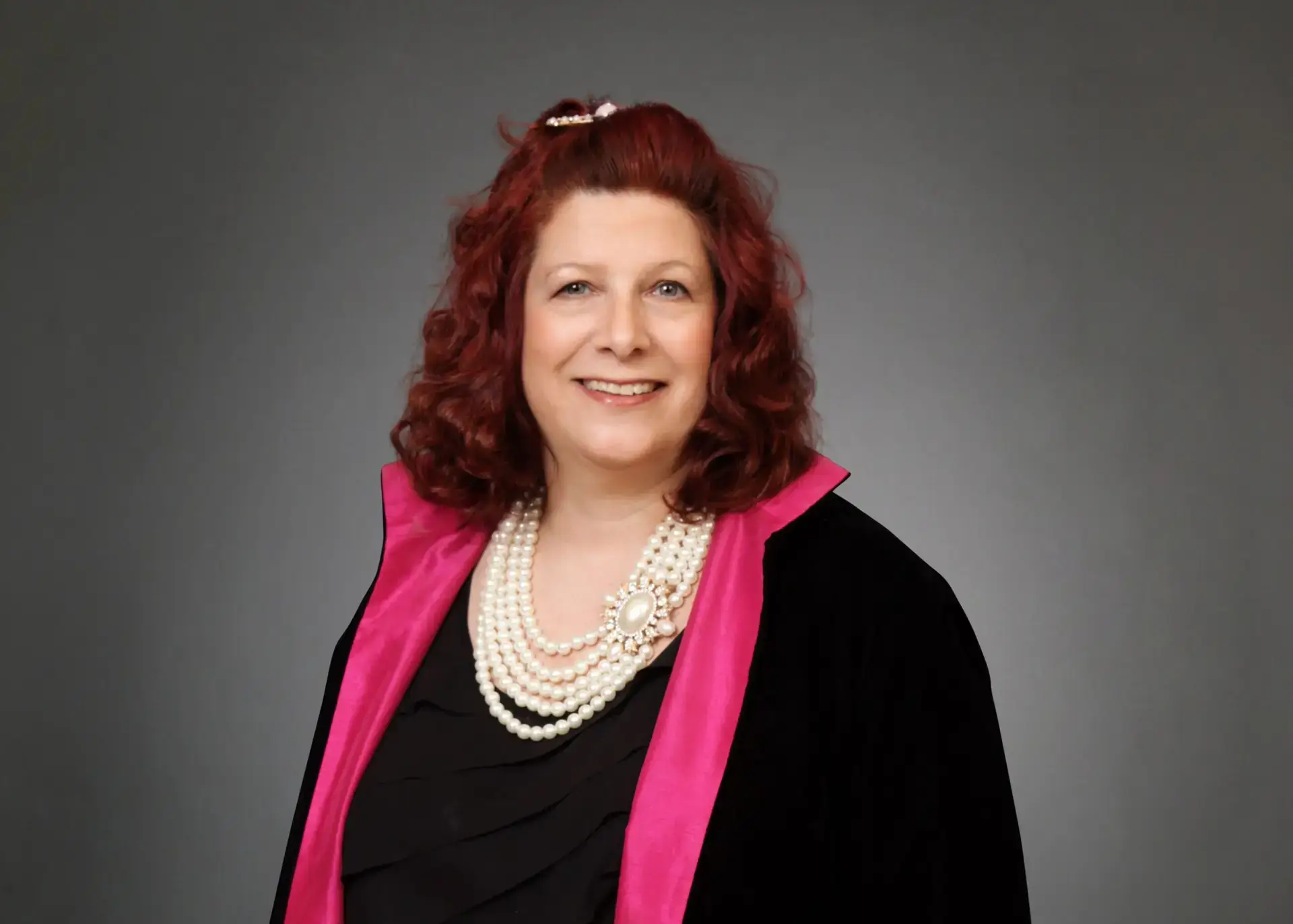 Martha M. Rumore, PharmD, Esq, MS, LLM, FAPhA is a pharmacist-attorney in Frier Levitt’s Life Sciences Department. She is also a registered patent attorney and leads the firm’s Intellectual property team. She has broad and in-depth healthcare and regulatory experience. Her practice focuses on intellectual property (patents, trademarks, copyrights, trade secrets) and healthcare law, Food, Drug, Device & Cosmetic law (all facets-483s to clinical trials to registrations and product approval), pharmacy law and regulatory issues, 503A/503B compounding, Board of Pharmacy (licensing and disciplinary matters), PBM audits, and DSCSA supply chain compliance. Dr. Rumore has over 25 years of health-system, pharmaceutical industry, and law firm experience in the area of Food, Drug & Cosmetic Law, and pharmaceutical intellectual property Dr. Rumore is fluent in cGMPs, GCPs, writing and reviewing Clinical Trial Agreements (CTAs), Investigator brochures, manuscripts, labeling & advertising review, NDAs, study reports, and documents for regulatory submissions. She often prepares legal memoranda on healthcare/FDA matters and conducts Mock State Board of Pharmacy and FDA inspections for compounding pharmacies. Dr. Rumore has practiced both pharmacy and law. She has actual experience as a compounding pharmacist. She regularly counsels on Section 503A and state-specific compounding requirements, assesses compounding practices for state and federal regulatory compliance, including USP 797/795/800, medical necessity documentation, advertising & promotion, reimbursement issues, infrastructure, and preparing compounding policies and procedures that provide clear guidelines, standards, and training for staff. Previously, she was at the Director level in Drug Regulatory Affairs/Compliance in the pharmaceutical industry and hospital pharmacy. She taught Pharmacy Law, Drug Regulatory Affairs, and Food Drug & Cosmetic Law at several New York Colleges of Pharmacy and currently teaches Food, Drug & Cosmetic Law at Maurice A. Deane School of Law at Hofstra University. She is a frequent lecturer and has over 200 publications and presentations.