 Skip to content




Optimize Sterile Compounding: An ACPE-Accredited 4-Hour Virtual Course
This 4-hour accredited virtual CE course provides pharmacists and pharmacy technicians with essential knowledge related to aseptic processing and FDA compliance in sterile compounding.
Sterile compounding requires accuracy, consistency, and an understanding of current regulatory expectations. This course reviews key principles and requirements to help participants strengthen their foundational knowledge and stay current with evolving standards.
What You’ll Learn:
By the end of this engaging course, participants will be able to:
1️⃣ Describe aseptic processing and terminal sterilization methods
2️⃣ Explain release testing requirements, including visual inspection, sterility, and endotoxin testing
3️⃣ Identify and interpret key FDA guidance documents related to sterile compounding
4️⃣ Recognize appropriate component selection for compounded preparations
5️⃣ Understand the role of certificates of analysis and perform related calculations
Who Should Attend?
Perfect for pharmacists, pharmacy technicians, and healthcare professionals involved in sterile compounding.

Strengthen sterile compounding practices and reinforce regulatory readiness through focused, practical training designed for pharmacy professionals.
Optimizing Sterile Compounding: From Aseptic Processing to FDA Compliance
Date Selection For 2026

The American College of Apothecaries (ACA) is accredited by the Accreditation Council for Pharmacy Education as a provider of continuing pharmacy education. ACA has accredited this knowledge-based program for 4 contact hours (0.4 CEUs) of continuing education credit for pharmacists and pharmacy technicians.

 The American College of Apothecaries (ACA) is accredited by the Accreditation Council for Pharmacy Education as a provider of continuing pharmacy education. ACA has accredited this knowledge/application-based program for 15 contact hours (1.5 CEUs) of continuing education credit for pharmacists and pharmacy technicians.




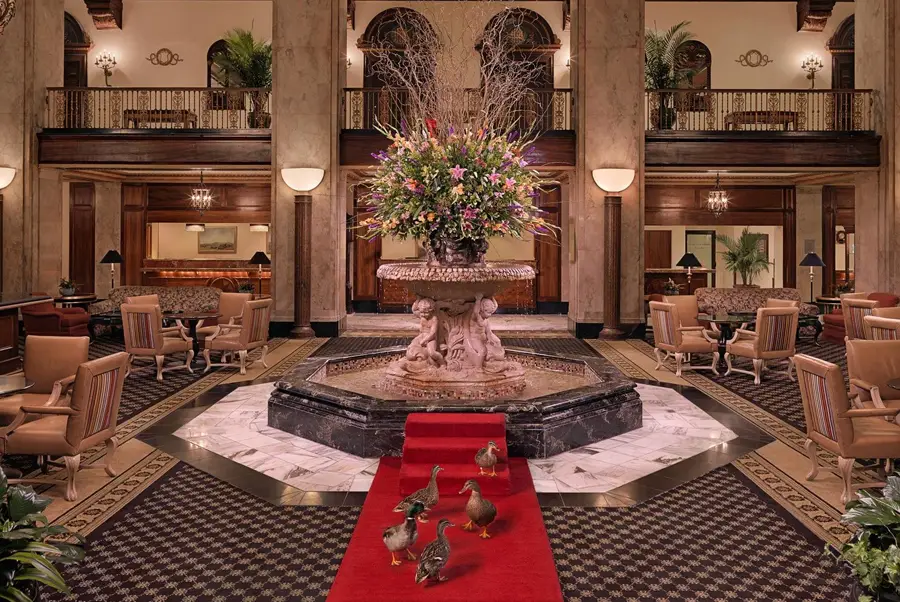


 Register of Historic Places and is world-famous for its five resident Mallard ducks, who march daily through the lobby at 11am and 5pm.