 Skip to content


2026 ACA Annual Conference & Expo: Pharmacy Education, Innovation & Growth in New Orleans
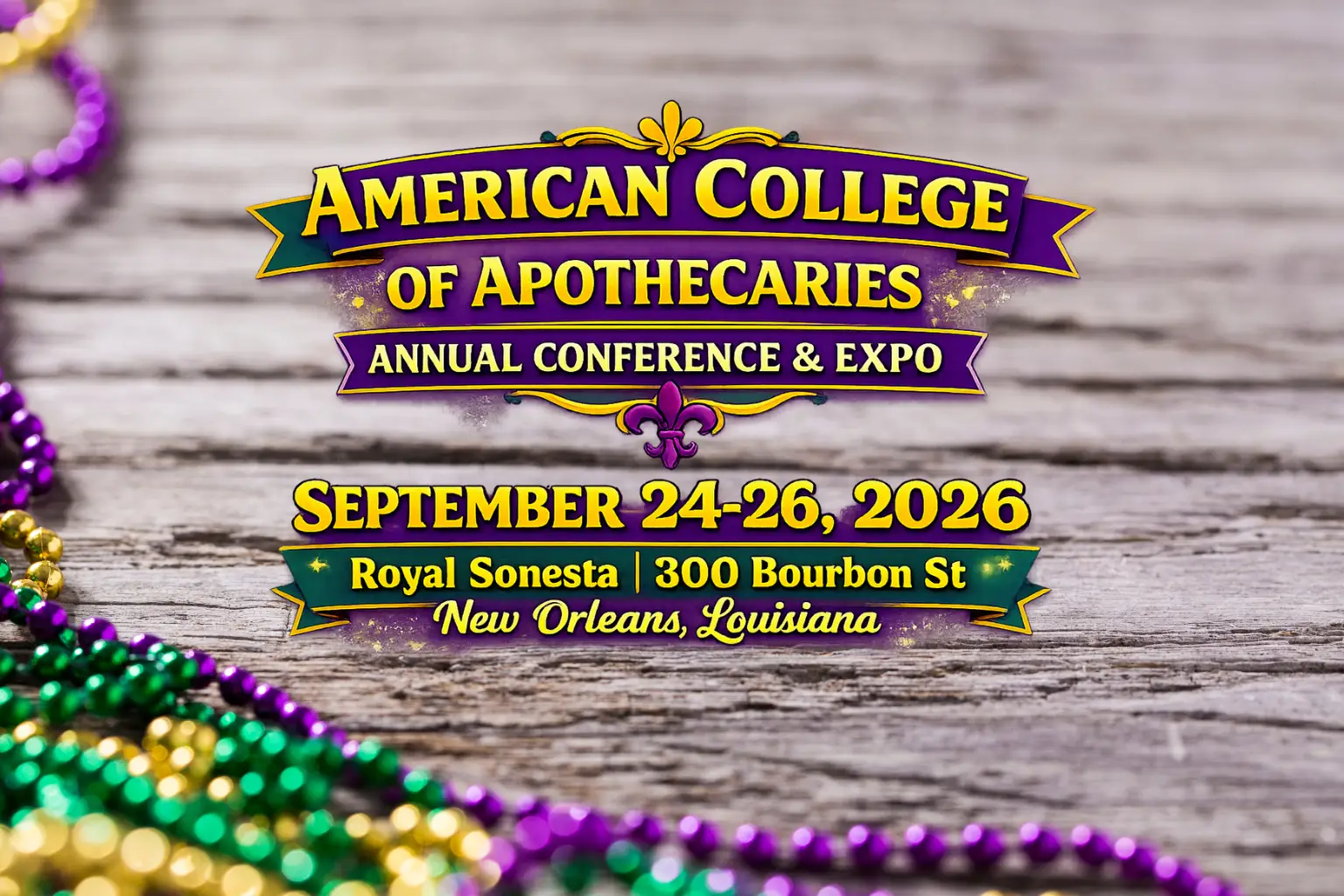
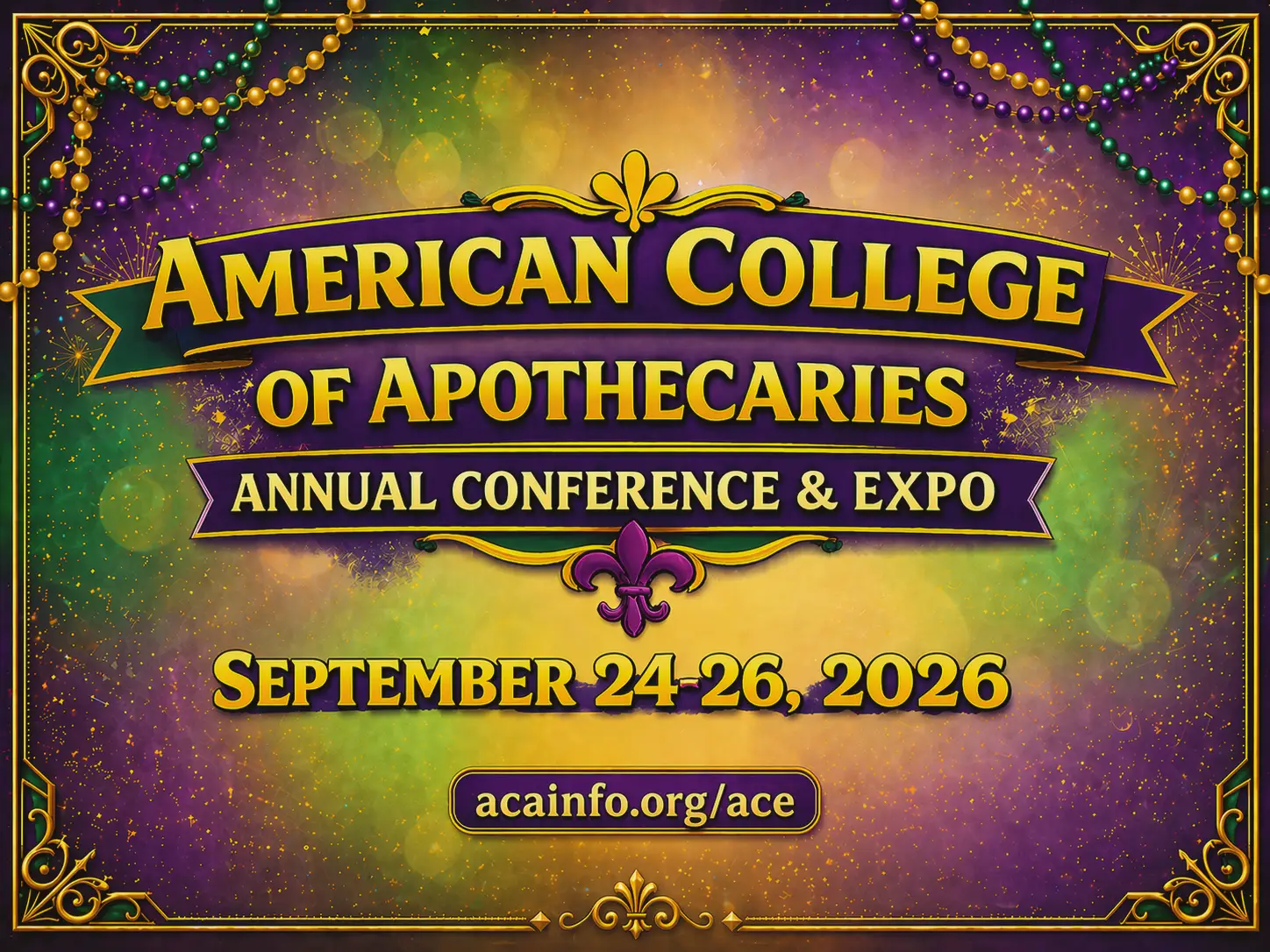
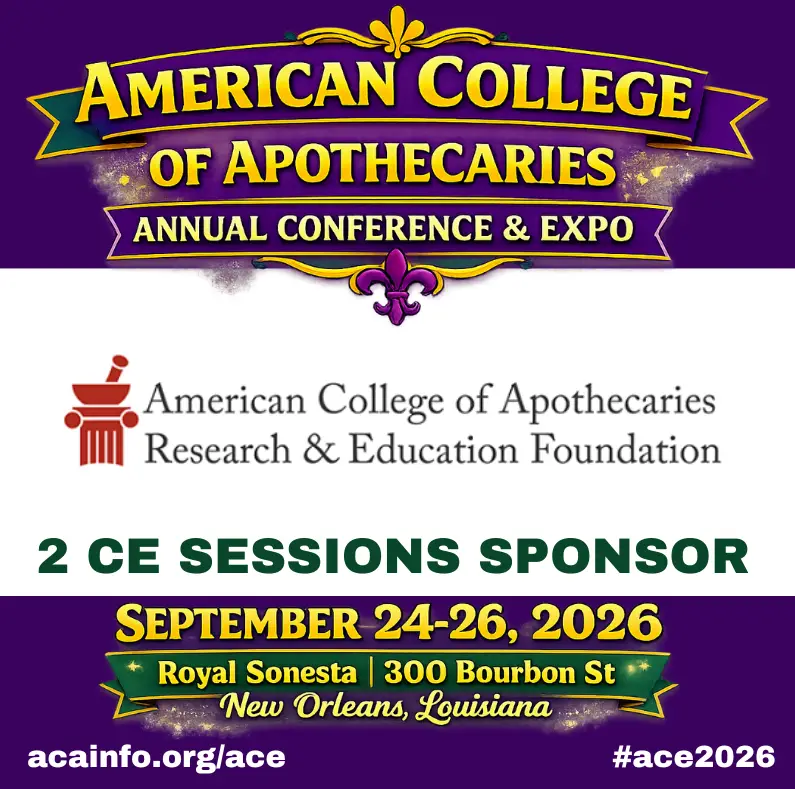
New Orleans is calling! Join pharmacy professionals from across the country for the 2026 American College of Apothecaries Annual Conference & Expo, September 24–26, 2026, at the Royal Sonesta New Orleans.
This year’s conference brings together 10 contact hours (1.0 CEU) of continuing education, timely pharmacy topics, practical strategies, industry resources, and valuable opportunities to connect with colleagues and exhibitors—all in the heart of New Orleans.
Whether you’re focused on strengthening patient care, navigating today’s regulatory environment, expanding your compounding knowledge, or finding new ways to grow your pharmacy, the 2026 ACA Annual Conference & Expo offers education and ideas you can take back to your practice.
Education for Today’s Pharmacy Practice
Hear from experienced pharmacy professionals and industry experts on topics affecting pharmacy practice today, including:
- FDA guidance and compounding compliance
- Sterile and nonsterile compounding facility design
- Peptides and the evolving compounding landscape
- Hormone health and progesterone therapy
- Drug-induced nutrient depletion
- Federal and state pharmacy law and regulatory updates
- Pharmacy financing and acquisitions
- Social media strategies for independent pharmacies
- Artificial intelligence and ethical pharmacy practice
The program combines clinical education, regulatory and compliance updates, compounding, technology, and business development, giving attendees the opportunity to explore multiple areas of pharmacy practice in one conference.
More Than Continuing Education
The ACA Annual Conference & Expo is also an opportunity to step away from the day-to-day routine, exchange ideas with other pharmacy professionals, build new relationships, and discover products, services, and resources that can support your practice.
Spend time with pharmacists, pharmacy owners, pharmacy technicians, compounding professionals, exhibitors, and other healthcare professionals who understand the opportunities and challenges facing pharmacy today.
Your Conference Registration Includes
- 10 contact hours (1.0 CEU) of continuing education for eligible attendees
- Thursday evening Cocktail Reception
- Welcome Dinner, Board Installation & Fellow Induction
- Conference meals
- Exhibitor experiences and access to participating exhibitors
- Networking opportunities throughout the conference
Stay at the Royal Sonesta New Orleans
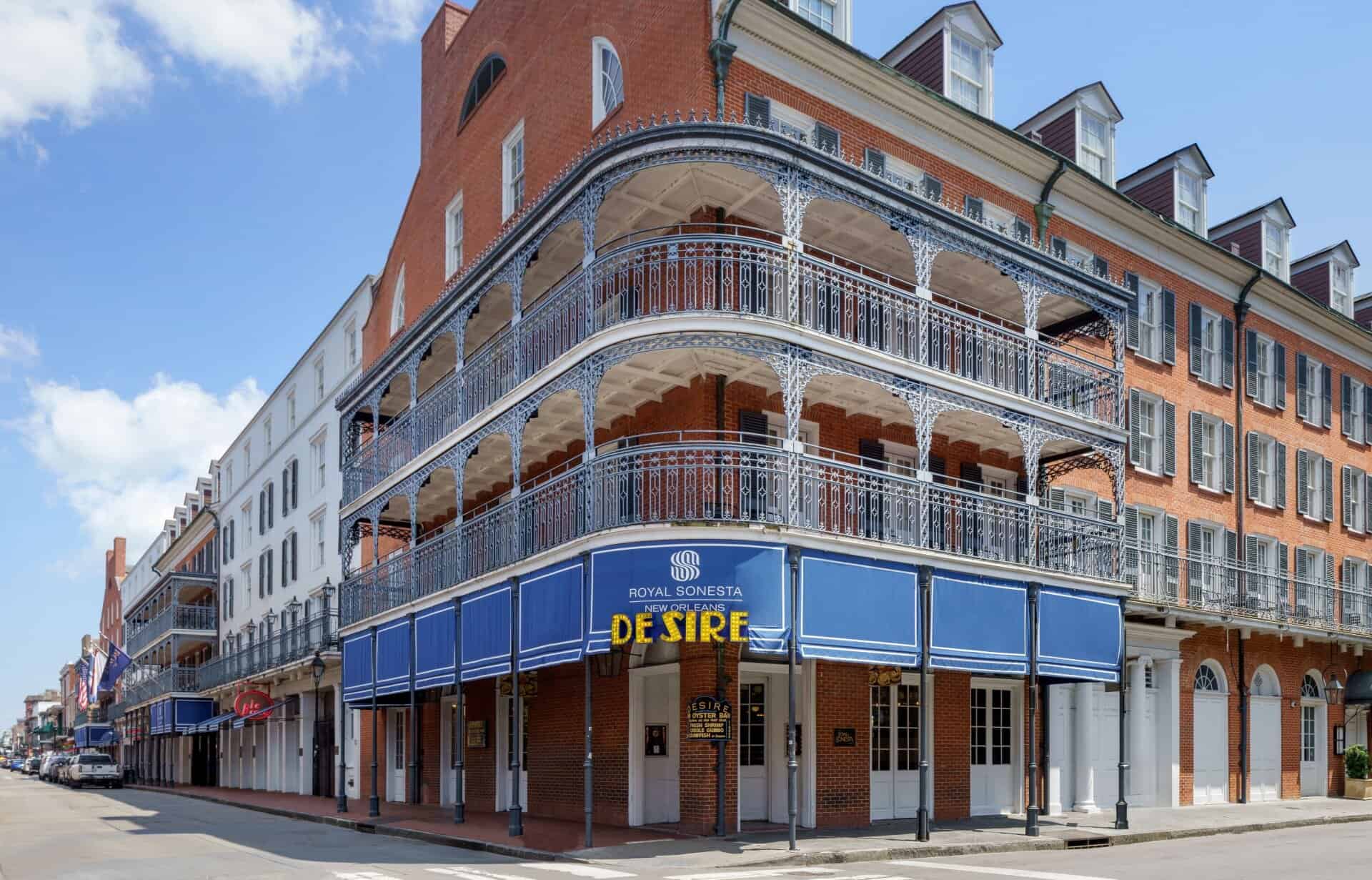
Make the most of your conference experience by staying where the action is! The Royal Sonesta New Orleans, host hotel for the 2026 ACA Annual Conference & Expo, places attendees in the heart of New Orleans’ historic French Quarter.
Located on Bourbon Street, the Royal Sonesta offers convenient access to conference activities while putting you within walking distance of the dining, music, culture, and attractions that make New Orleans such a memorable destination.
ROYAL SONESTA NEW ORLEANS
300 Bourbon Street
New Orleans, LA 70130
Hotel Reservations
The official ACA room block deadline has passed. However, attendees who still need hotel accommodations are encouraged to contact Susan Decker, ACA Director of Conferences, to inquire about current room availability and whether the ACA conference rate may still be available.
Susan Decker, ACA Director of Conferences
Phone: 434-989-5938
Email: susan@acainfo.org
Hotel availability and rates are not guaranteed and are subject to availability at the time of booking.
Planning to attend? We encourage you to make your hotel arrangements as soon as possible.
Meet Us in New Orleans
Set in the French Quarter at the Royal Sonesta New Orleans, this year’s conference gives you the opportunity to invest in your professional development while connecting with the pharmacy community in one of the country’s most distinctive destinations.
Come ready to learn, connect, exchange ideas, and discover new opportunities for your pharmacy and your career.
September 24–26, 2026
Royal Sonesta New Orleans
300 Bourbon Street | New Orleans, Louisiana

The 2026 ACA Annual Conference & Expo offers a total of 10 contact hours (1.0 CEU) of continuing pharmacy education for pharmacists and pharmacy technicians. See the individual activity information for specific ACPE Universal Activity Numbers (UANs), learning objectives, and credit hours. To receive ACPE credit, attendees must provide their NABP e-Profile ID and date of birth (MMDD) and complete the required activity evaluation. Continuing education credit will be submitted to CPE Monitor® following completion of all applicable requirements. Participants are encouraged to claim their credit promptly following the conference. Any unclaimed credit with a date of participation six months or older will not be eligible for processing. The American College of Apothecaries, Inc. is accredited by the Accreditation Council for Pharmacy Education (ACPE) as a provider of continuing pharmacy education. Sessions carrying an ACPE Universal Activity Number are eligible for continuing pharmacy education credit as specified for each activity.
2026 Sponsors and Exhibitors
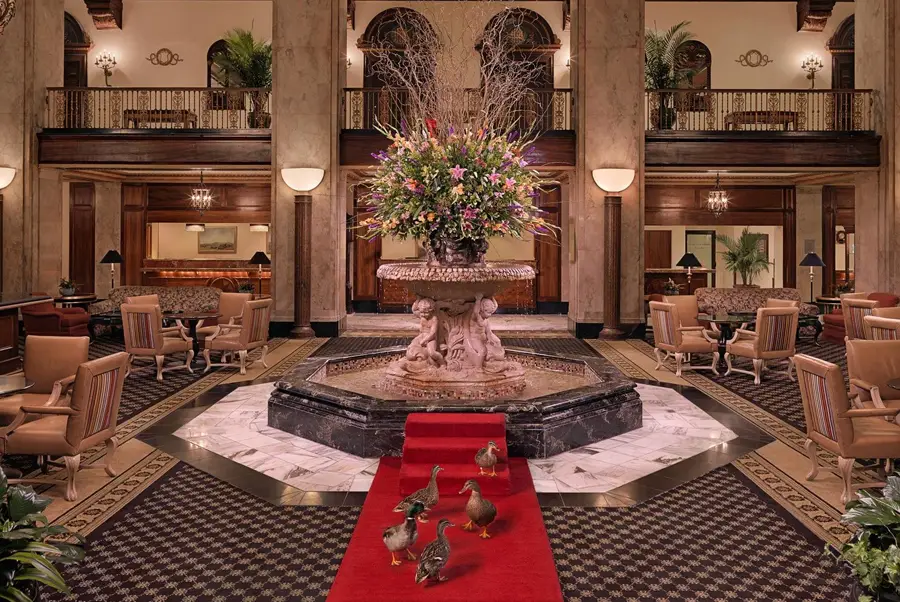


 Register of Historic Places and is world-famous for its five resident Mallard ducks, who march daily through the lobby at 11am and 5pm.
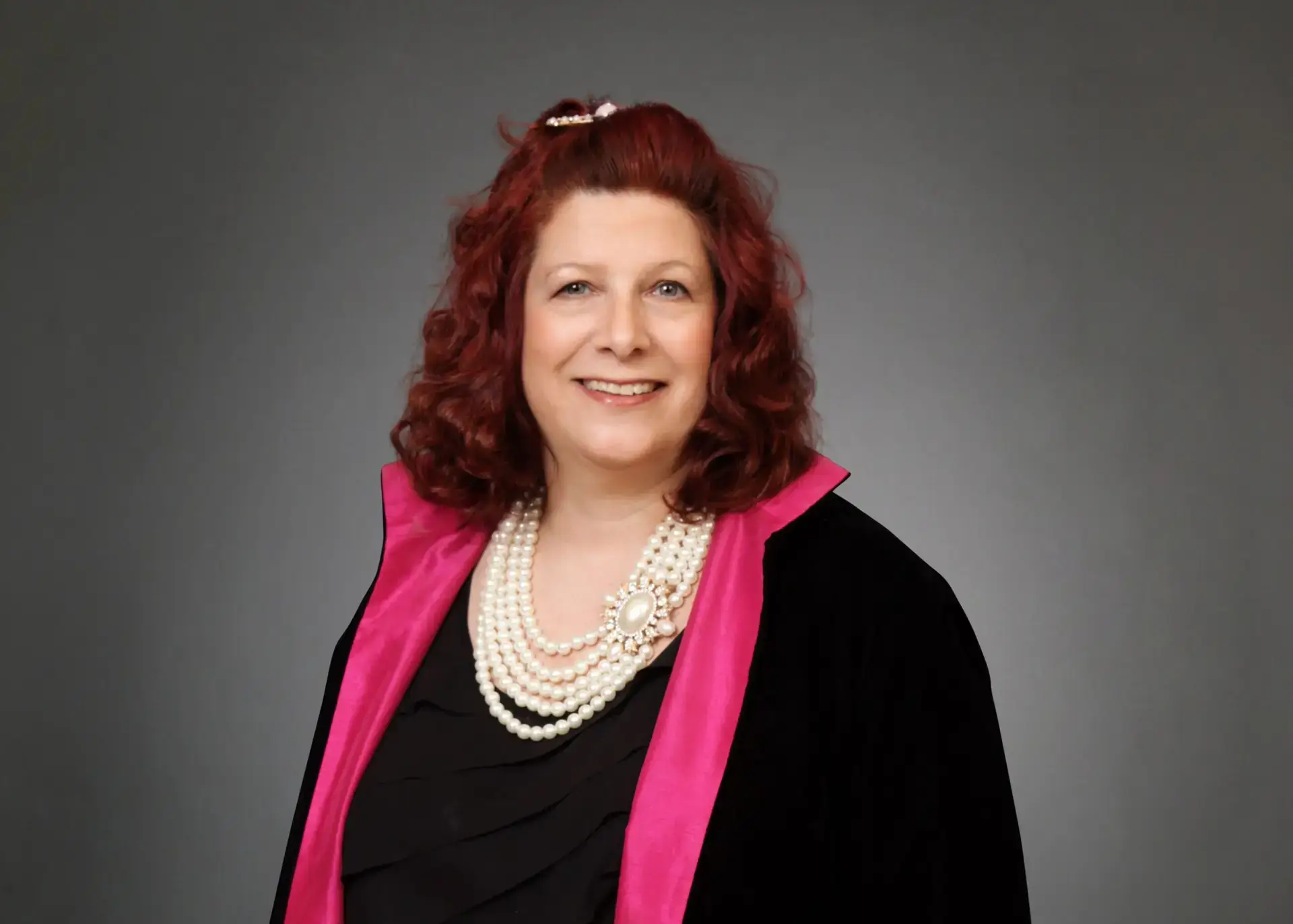 Martha M. Rumore, PharmD, Esq, MS, LLM, FAPhA is a pharmacist-attorney in Frier Levitt’s Life Sciences Department. She is also a registered patent attorney and leads the firm’s Intellectual property team. She has broad and in-depth healthcare and regulatory experience. Her practice focuses on intellectual property (patents, trademarks, copyrights, trade secrets) and healthcare law, Food, Drug, Device & Cosmetic law (all facets-483s to clinical trials to registrations and product approval), pharmacy law and regulatory issues, 503A/503B compounding, Board of Pharmacy (licensing and disciplinary matters), PBM audits, and DSCSA supply chain compliance. Dr. Rumore has over 25 years of health-system, pharmaceutical industry, and law firm experience in the area of Food, Drug & Cosmetic Law, and pharmaceutical intellectual property Dr. Rumore is fluent in cGMPs, GCPs, writing and reviewing Clinical Trial Agreements (CTAs), Investigator brochures, manuscripts, labeling & advertising review, NDAs, study reports, and documents for regulatory submissions. She often prepares legal memoranda on healthcare/FDA matters and conducts Mock State Board of Pharmacy and FDA inspections for compounding pharmacies. Dr. Rumore has practiced both pharmacy and law. She has actual experience as a compounding pharmacist. She regularly counsels on Section 503A and state-specific compounding requirements, assesses compounding practices for state and federal regulatory compliance, including USP 797/795/800, medical necessity documentation, advertising & promotion, reimbursement issues, infrastructure, and preparing compounding policies and procedures that provide clear guidelines, standards, and training for staff. Previously, she was at the Director level in Drug Regulatory Affairs/Compliance in the pharmaceutical industry and hospital pharmacy. She taught Pharmacy Law, Drug Regulatory Affairs, and Food Drug & Cosmetic Law at several New York Colleges of Pharmacy and currently teaches Food, Drug & Cosmetic Law at Maurice A. Deane School of Law at Hofstra University. She is a frequent lecturer and has over 200 publications and presentations.